
Why ducted air conditioning is inefficient
Show 0 more photos Show 6 more photos Hide additional photos
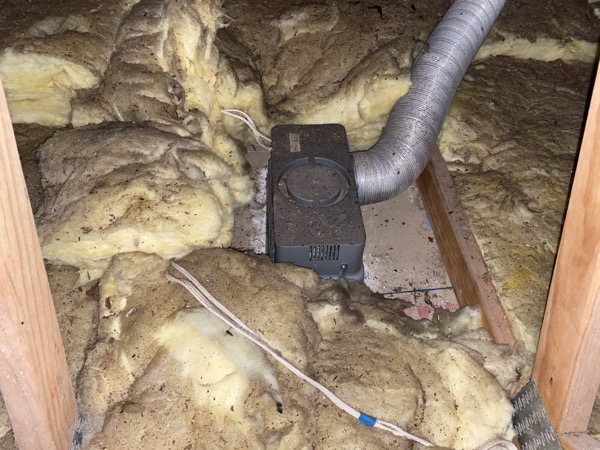
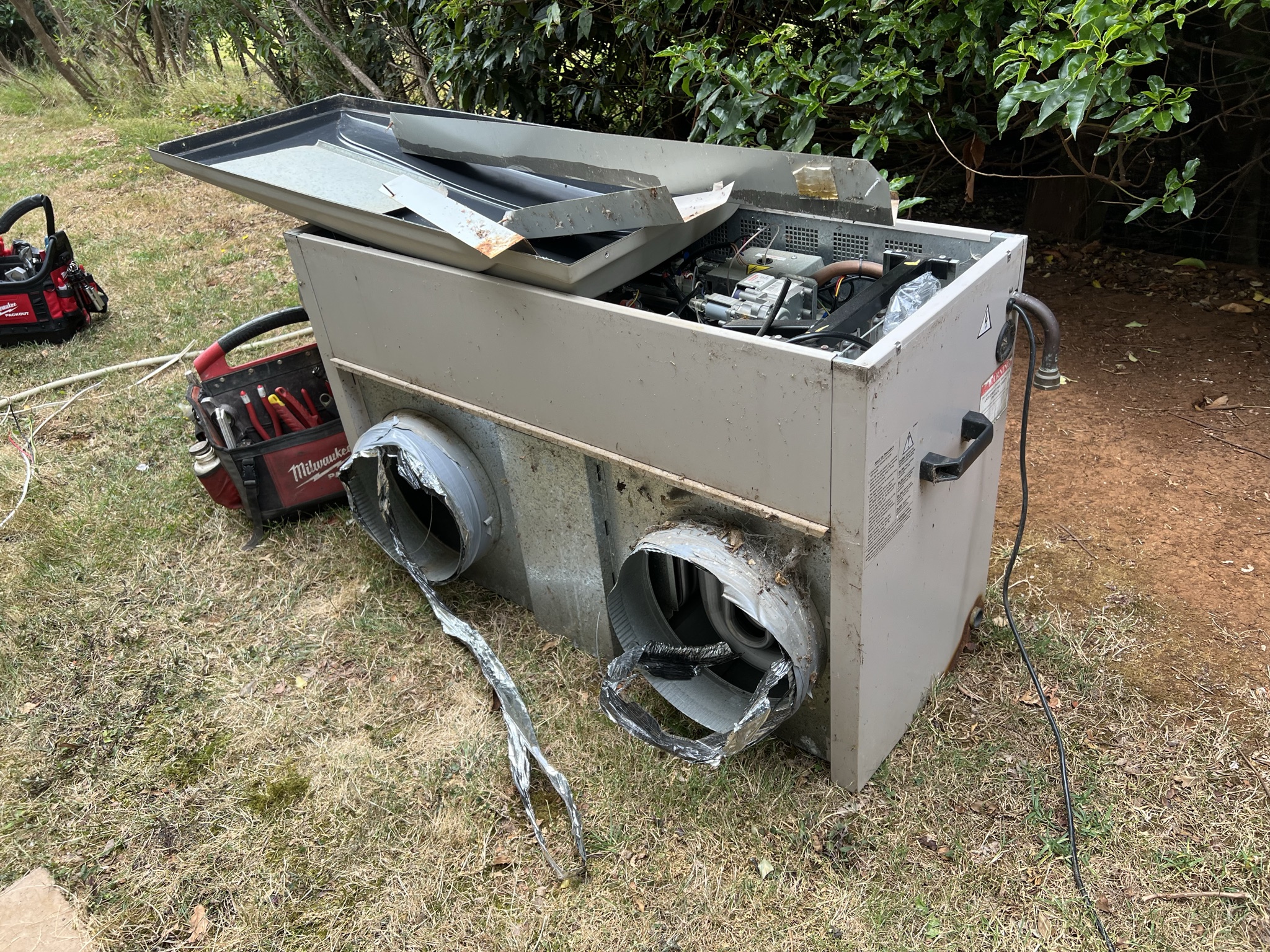
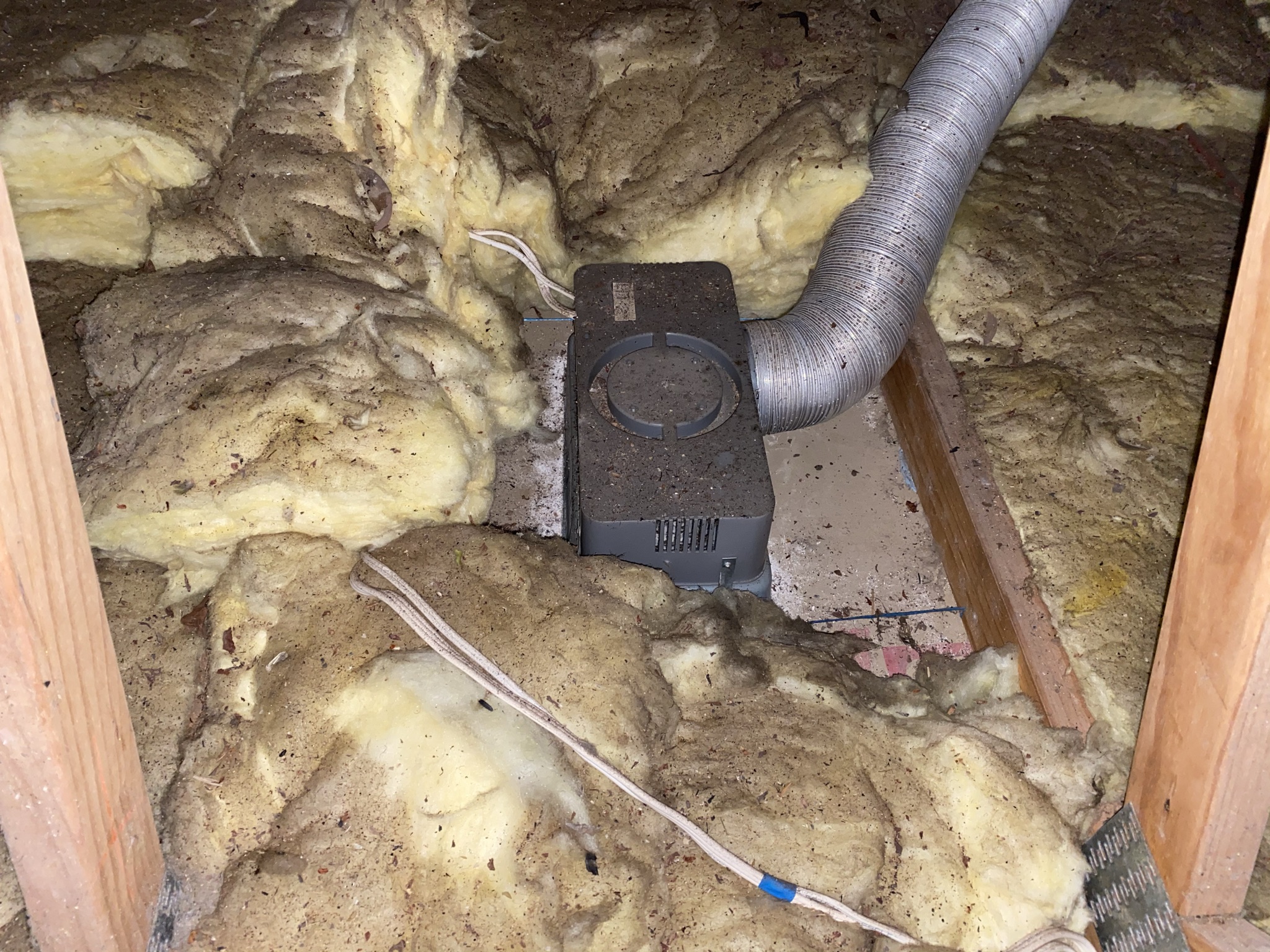
Ducted air conditioning (or heating) is inefficient.
Let me explain, and see what you think. I am not a fan (pun intended) of ducted. It seems to be very inefficient. But only one in five air con sales reps seem to agree with my reasoning.
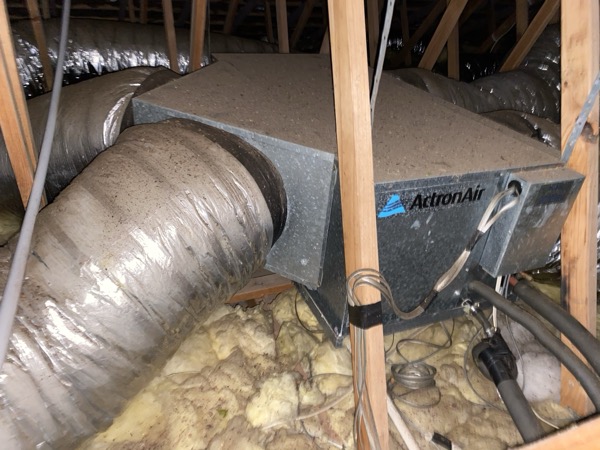
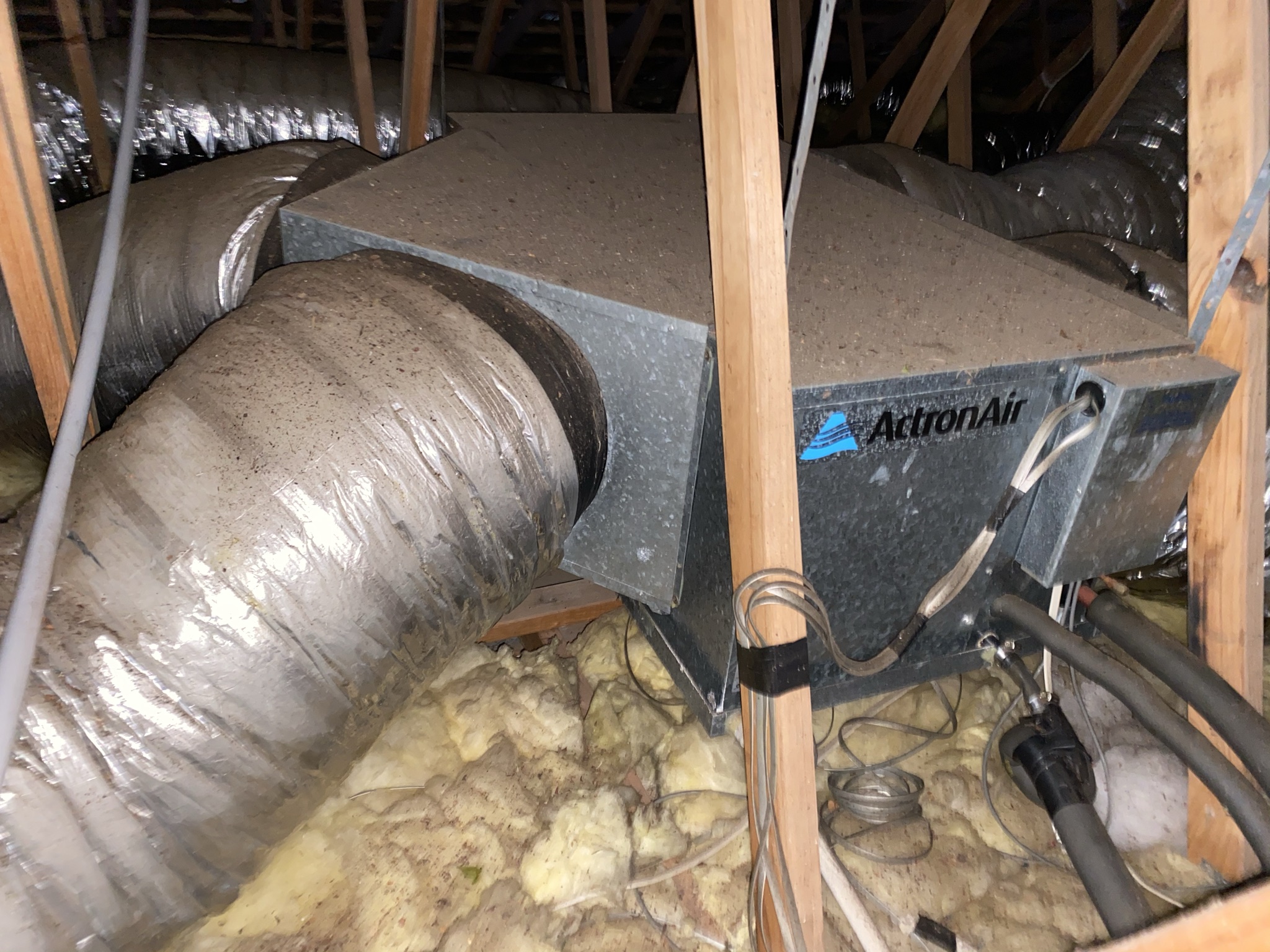
At our previous home, in Saratoga NSW, we had a large (10kW) ducted air con system upstairs, which included all the bedrooms.
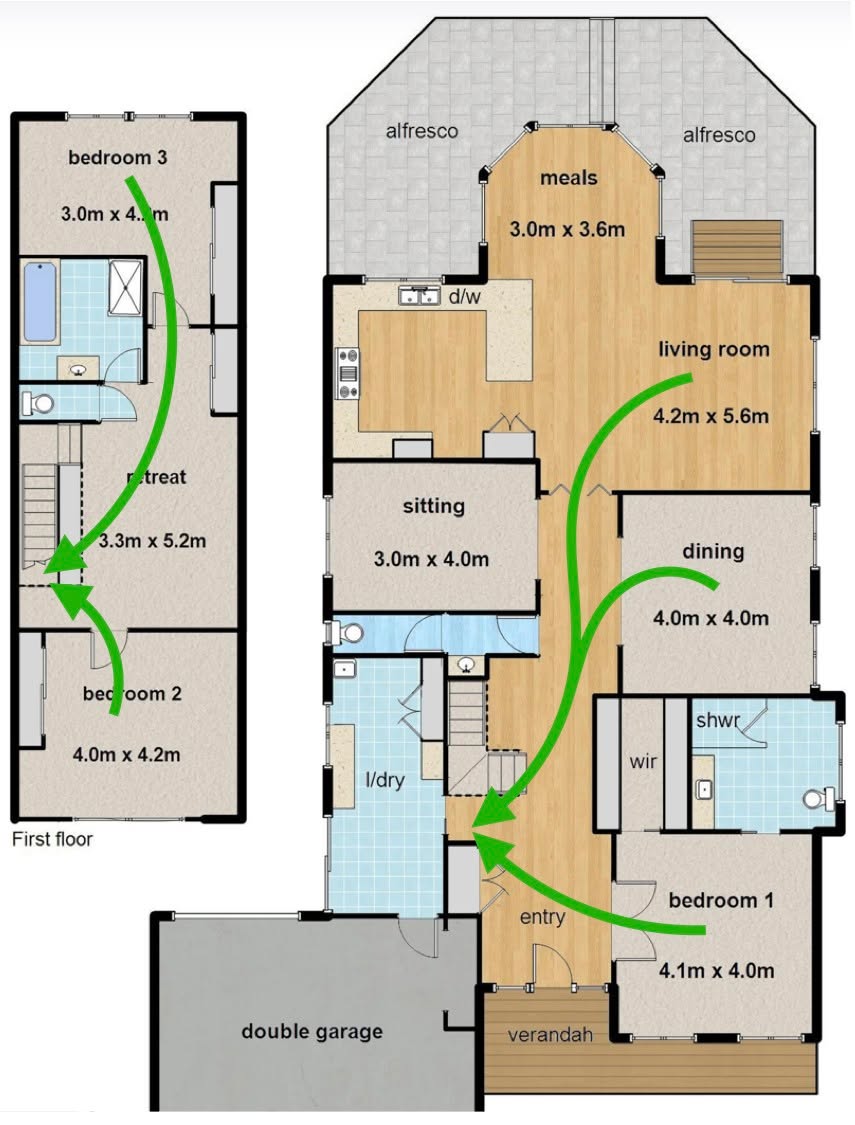
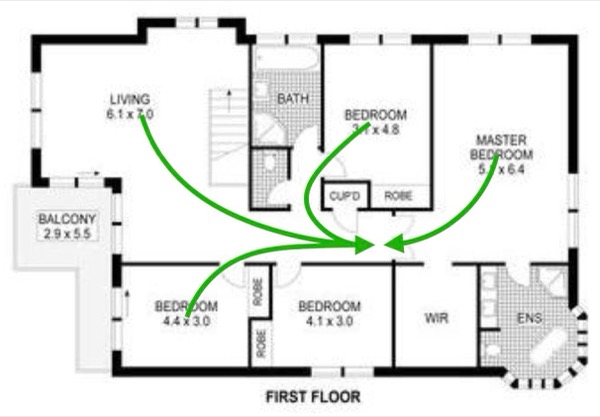
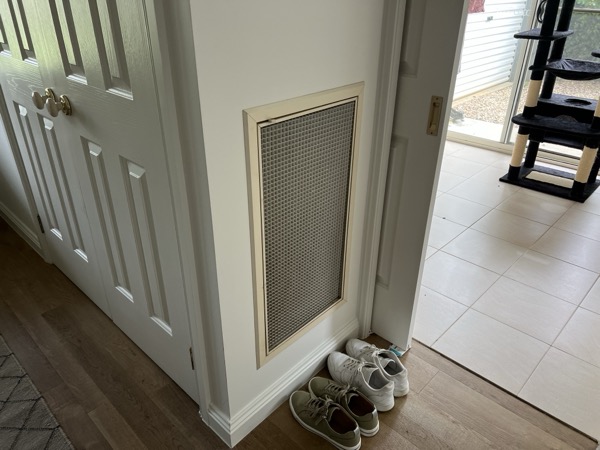
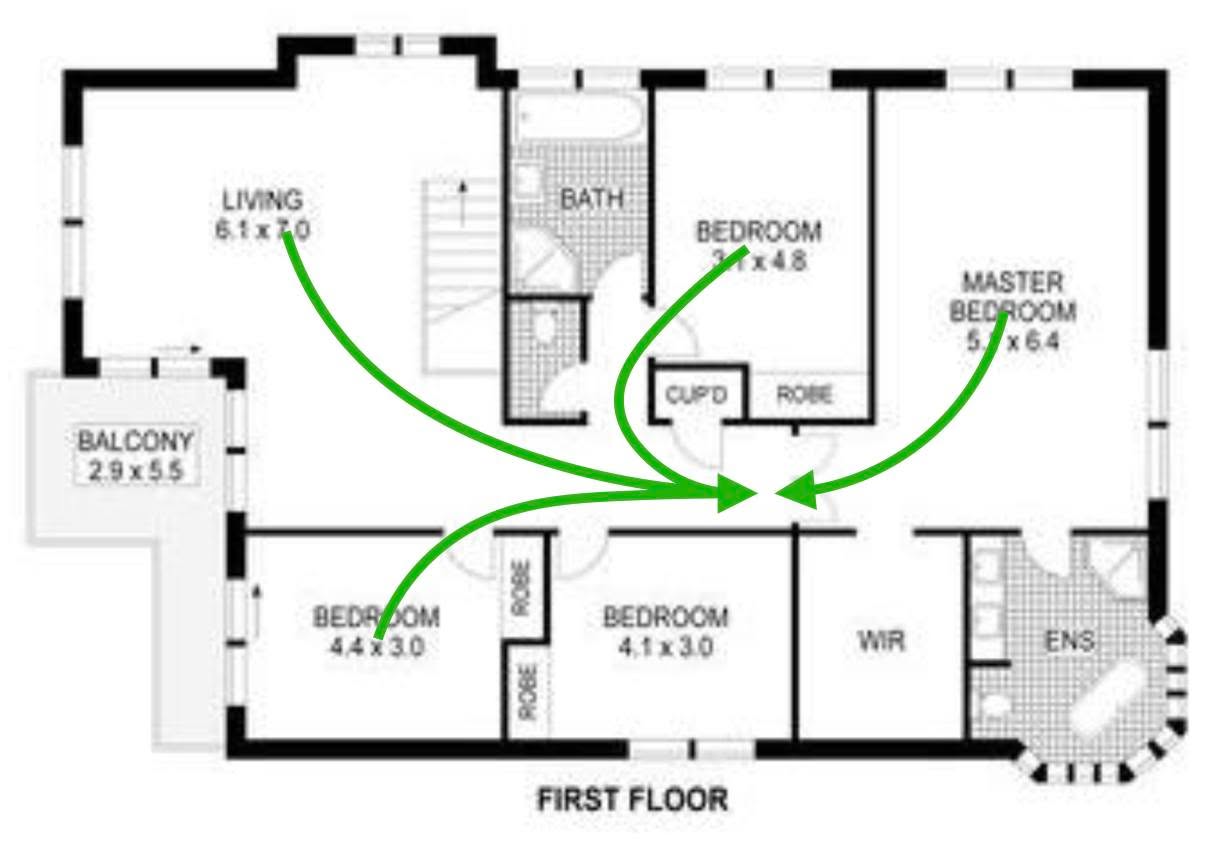
When we just wanted to cool or heat one room, we tried to close the door of that room. But the door would slam shut and whistle, as the air would try to escape. The ducted air con had one or two outlets in each room’s roof. It had one shared return vent in the hall. Turning on the air con in a single room, the air needed to return to the hall to circulate. Closing the door blocked that path and made the pump work extra hard.
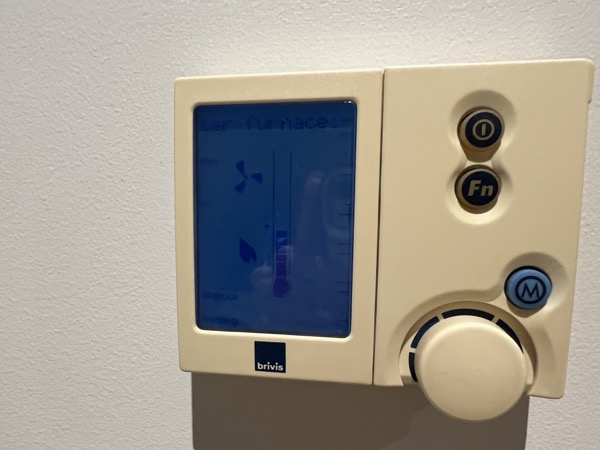
The thermostat was also in the hall, as part of the control unit. We could set the target temperature of a room to say 22°C, but the room might cool down to 18° before the hall thermostat would register 22°, with a temperature gradient between the two.
The system had four separate zones. One zone was shared between the master bedroom and living room. On a hot night, if we set the air con to cool our bedroom, it would also cool the open plan living room, with no one in it. I think those two rooms shared a zone to address the “don’t close the door” problem, but it increased the wasted energy problem.
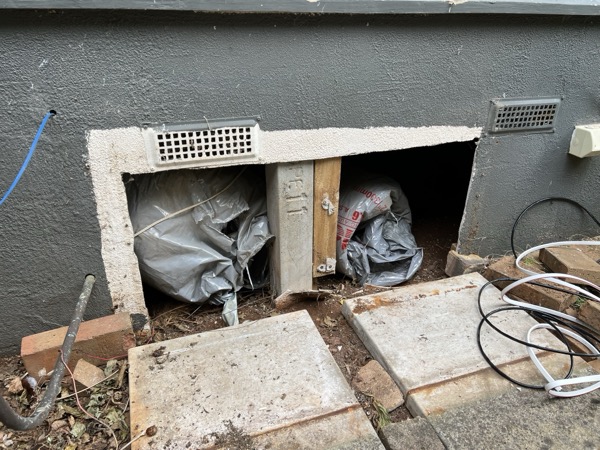
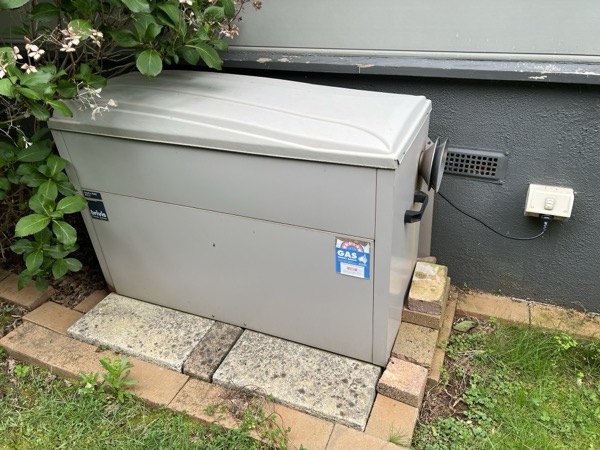
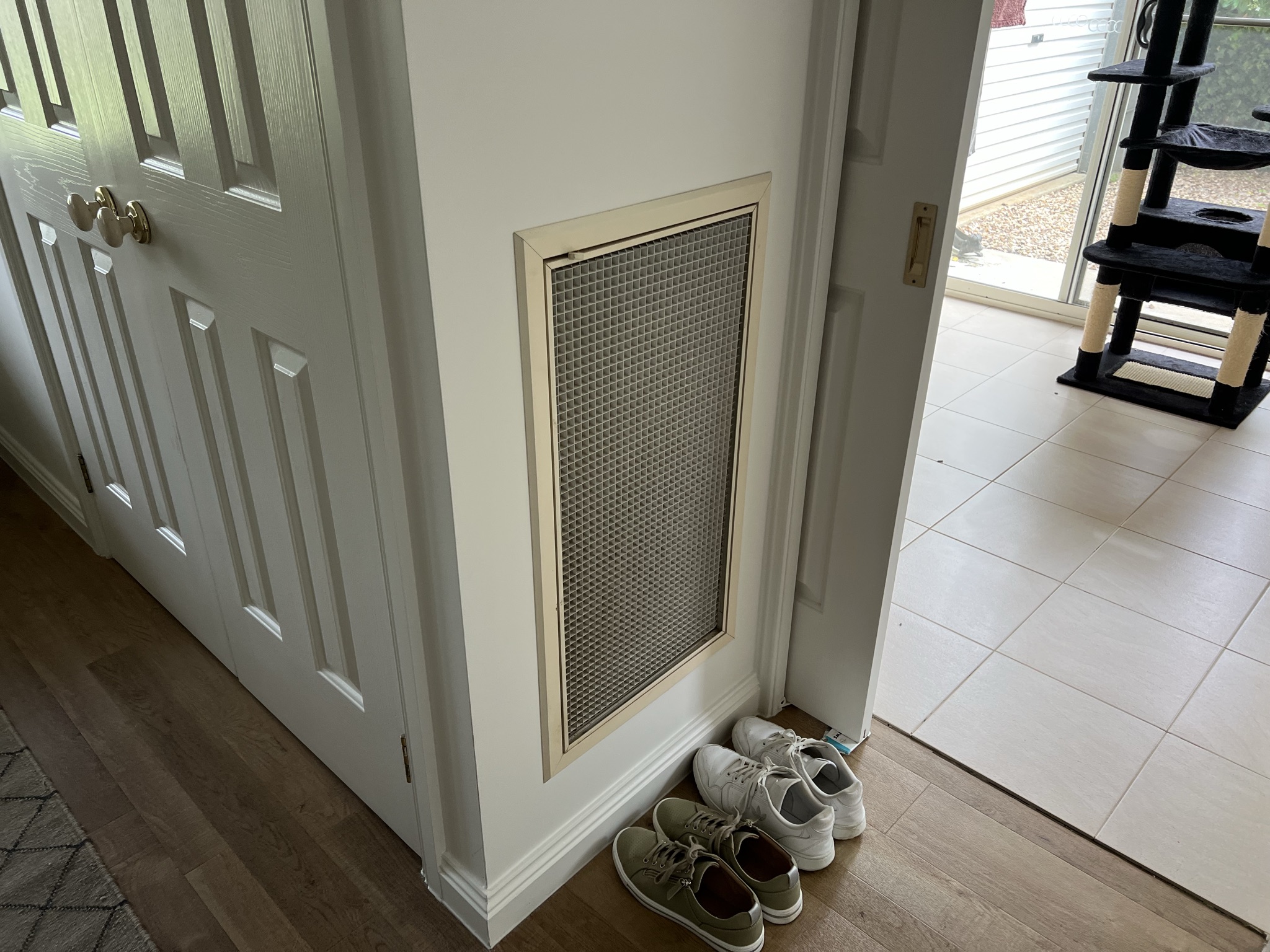
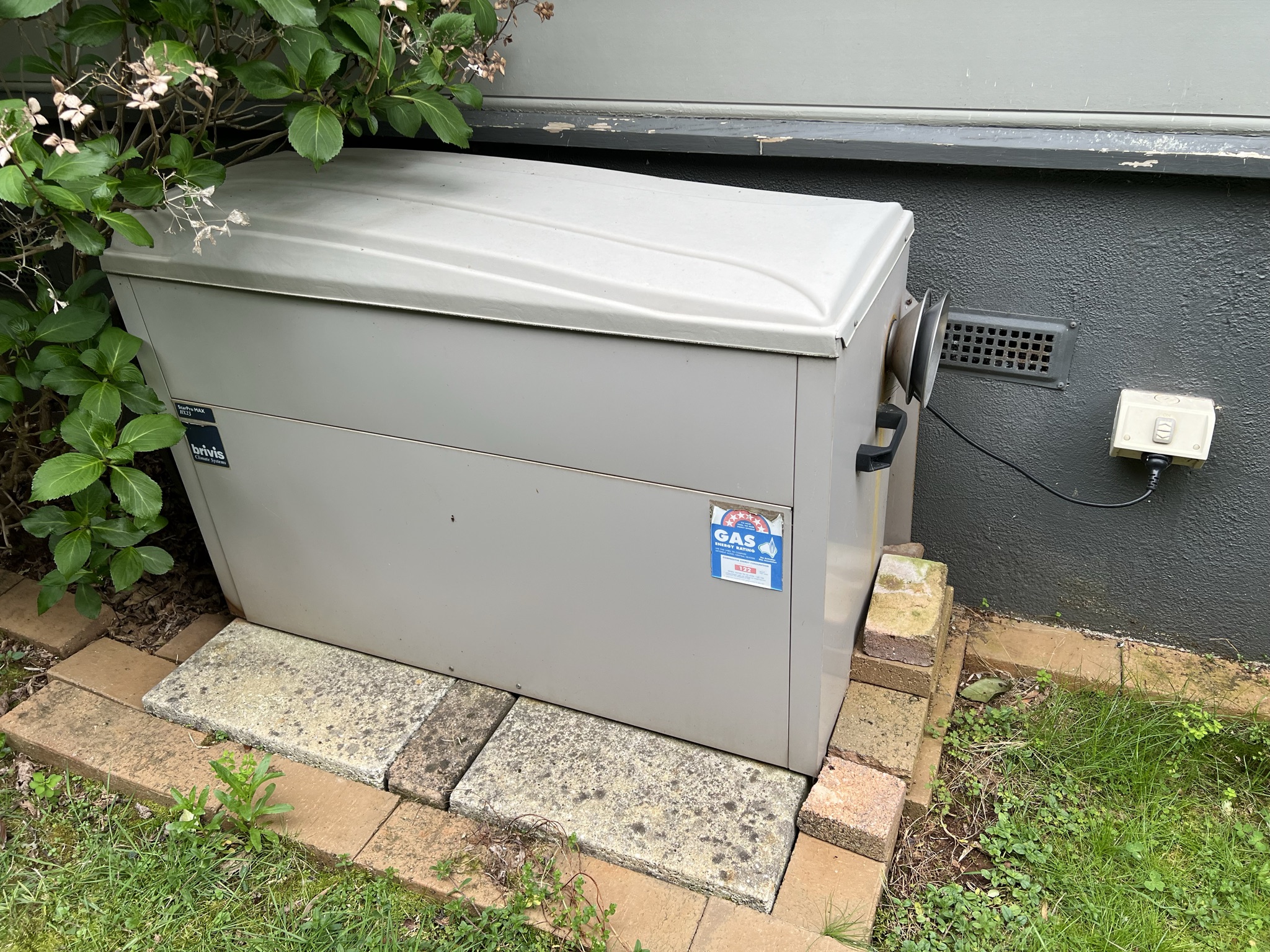
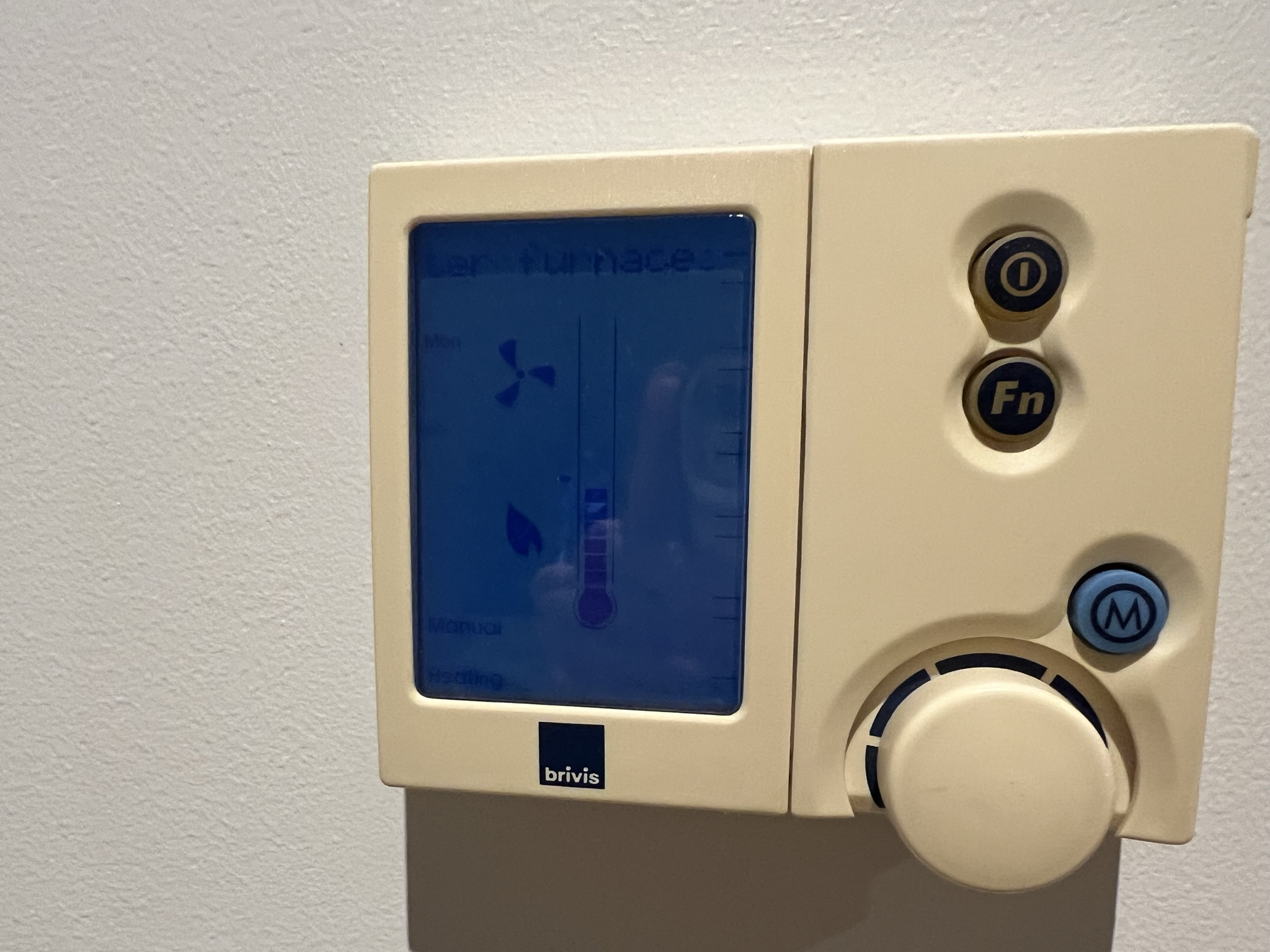
We moved to Emerald, Victoria two years ago. Our home here came with ducted gas heating. Each room has an outlet (or two) in the floor, with one shared return vent and thermostat in the hall. We can close the floor outlets in each room, similar to the zoning we had for the air con. Same problems here as we had the ducted air conditioning. If we close doors, we block air flow. The thermostat can only set the target temperature for the hall, not the actual rooms.
In contrast to ducted, a split air con system has the outlet and return vent in the same room. That means that you can close the door to the room, and cool/heat just that room. The thermostat measures the temperature of that room. All is well with the world!
In addition to ducted, we also had a split air conditioner in each house. It used a fraction of the energy that a ducted system would, even when ducted was zoned for just one room.
When I recently asked several companies for a quote to install air conditioning, most suggested a ducted system. My internal dialog was “Are you crazy? How can you still suggest ducted?” I But I politely filtered. They would tell me about zoning and the possibility of two return vents and so on. But when I asked “can I close the door?”, the answer was still no. Or I had to explain why you can’t close the door. One guy (for whom I actually have a lot of respect) said “yeah, ducted uses more power, but you have excess solar power on hot days”. I think he forgot about hot evenings and cold overcast days.
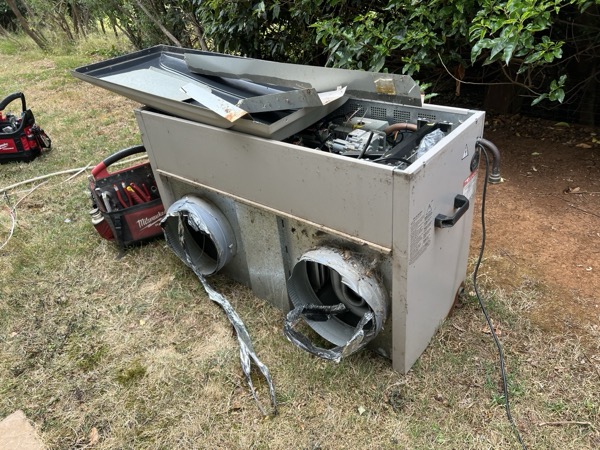
One advantage of a ducted system is having a shared central compressor. For a five room system, that means one compressor fan alongside the house. Individual split systems would have five compressors, which can be ugly.
Fortunately, one alternative is to install a multi head split air conditioning system. This shares one compressor across all the five heads (in each room). Each room still has its own combined outlet and return, and its own thermostat. When one head is already running, turning on a second head starts very quickly, because the compressor is already running.
Related Posts
- Multi-head air conditioning installation, stage 1 4 Feb 2026
- Series index — solar, battery, electrification: Solar, battery and electrification — series intro 4 Dec 2025
- How we disconnected the ducted gas heating: Goodbye gas — disconnecting the ducted heating 4 Feb 2026
- Later — mapping every circuit on our switchboard Where does this circuit go? 26 Jul 2026
Links
- Link discussing other drawbacks of ducted: newenergythinking.com
Report
Individual split systems are far more efficient, and can easily be updated to a newer (more efficient) unit at any time, or replaced if faulty.
Report
Report
You do realise that’s not taken into account ….
Report
My main point is that, if you can't close off a room, then it's terribly inefficient, compared to a split system.
Report
Report
Report
Report
I’ll happily stick with my split systems thanks- quiet, efficient, reliable and you can easily update any single unit at any time.
Report
Further, because you’re running small units ONLY in occupied rooms, you save even more.
We have friends with an older ducted system. It was costing a small fortune to run, and then the quote they had to update to a new more efficient unit was beyond massive, and also required removing part of the roof plus crane hire!
They finally gave up in disgust and fitted a number of small splits and have never looked back. There’s just no comparison.
Report
Report
Report
Report
Report
Report
Report
Report
Are you able to close the door to your bedroom and only cool, heat that room, or does the air have to flow out to the return in the hall somewhere? What about the other rooms?
Report
Report
Report
Report
Report
It can be done.
Report
Report
Report
Report
https://newenergythinking.com/2018/10/20/dont-use-ducts/
Report
Report
Report
I agree that ducted generally looks better.
Excess solar on hot sunny days is a natural fit to crank up the air conditioning, as you said.
Our previous home's ducted air con was okay to run during the sunny days, and still charge the battery. But it drained the battery in an hour or two after the sun went down in the evening and the heat remained. On cold overcast days, we didn't have the excess solar to run the heating.
Our current home's ducted gas heating, of course only ran on cold days. It also used about 1kW of electricity just for the fans, which benefited slightly from the solar and battery, but production was low on those cold days.
Report
Report
Report
You are copy/pasting the same reply multiple times!
You still haven't addressed the issue in that you have to have your doors open for the return air...
Report
Ah yes, good catch. A multihead system can set a different target temperature for each room, but they all have be cooling or heating, not a mix. Same for ducted. Individual split systems are completely independent.
Report
Report
1. It's fighting the system. The system is designed to circulate air. It comes out of the outlet in the room and has to go back to the return/inlet in the hall. If you close the door, you're blocking the system.
2. You can feel the door slam shut as you close it. That's the air pressure pushing it, because the air wants to get out.
3. The amount of force is a function of the air flow and the gap around the door. If the gap is large, then you won't block as much, but that defeats the point of closing the door.
4. A small child won't be able to open the door. At least in our previous house, the force on the door was that strong.
5. You can hear the wind whistling as it tries to escape the room through the door cracks.
6. The pump is working overtime to overcome the blockage of the door. More power usage and more strain.
7. Whether the door is open or closed, the air still has to return to the inlet in the hall. So, you're not just heating/cooling the room, but all the space along the way, which is logically inefficient.
Report
Report
Massive markup on ducted systems is there?
Report
Report
Report
Report
Report
Report
Report
Report
Report
Report
Report
Report
We'd have more trouble remembering to turn off individual splits unless we went for smart units - but then, if spending on smarts might as well go airtouch.
Until the kid becomes a teenager and gets a penchant for having his door closed all the time, we will be fine. ;) Actually - just run the adjoining room zone too and it won't make any noticeable difference to the overall power consumption.
Report
We have a 9.9kw split system in the main room and two spilts in two bedrooms (5.5kw and 3.5kw)
Other rooms are not generally used so we isolated them off.
System works very well.
Report
Theres pros and cons to both.
Ducted.
1 unit.
Oversized if only using one zone.
No redundancy.
But is quieter in each room.
Only 1 system to service and maintain.
Only need to find somewhere for 1 outdoor unit.
Both have their place depending on whats important to you.
I have had both on the past and used to be an advocate for individual splits.
Until I had ducted and experienced how much quieter and subtle the system is.
I will always go ducted as its quieter with a cleaner look and does blow air in your face haha.
A multi head gives you the joys of multiple indoors to one outdoor.
No redundancy if outdoor fails, louder in each room.as opposed to ducted and servicing is usually charge per the indoor.
I personally wouldn't not put 1 in a house, they're better serving for unit block/ multi residential where outdoor areas are scarce.
To each their own and you just need to work out whats important to you.
Report
Is "a return grille in each room" a realistic option with ducted? I have never seen it done or offered (but I am no installation/sales expert).
Report
I would suggest having 1 indoor fan motor/ compressor as opposed to 6-8 individual smaller ones would be more efficient - provided you are using it at rated capacity.
One split to do one room will be more efficient than an essentially oversized ducted for that one room.
If you are going to use the ducted at capacity however, it would be more efficient as you dont have so many losses in efficiency.
A return in each room/ Zone is possible.
Most people just dont want to pay the extra associated or dont like the idea of an extra grille in each room.
Many will just install a door grille should they find the room becomes pressurised (but that then has privacy issues as sound can travel through quite easily)
Like I said. Each pro has an associated con.
It just depends on what is important to the end consumer.
Report
As you said, adding a return grilled to each room is theoretically a solution, but it seems that next to no-one actually does that.
Report
Report
Report
Report
Report
Report
Report
Report
Report
Report
Two thingsto note for a multi-split system:
- you cannot have cooling and heating on at the same time. All cooling or all heating but as you say some can be left turned off.
- the other thing is that each head unit needs to drain condensation when cooling. In our house this means a return pump for that water back to the outer unit up to 20m away (~66ft). In our initial setup these have been solenoid pumps which are far too noisy. Still getting this resolved.
Other than that works great.
Report
Report
Report
Over summer we ran our aircon 24/7 and our electricity bill was only $120 higher than usual and we don't have solar or a battery.
Granted, individual wall splits have some advantages over ducted, but ducteds also have some advantages over wall splits. Every house and every client has their own priorities that determine the best system for them.
Report
Report
Report
We had 5 inverter splits. 2.5kws in bed rooms and a 5.2kw in the lounge. 4 out of the 5 had wifi control. It was a 182m2 home.
Report
Report
Report
Report
Report
Report
Report
Report
1. We have an 11kW ducted system supplying 6 zones. The fridgie who came to service it the one time told us it's slightly undersized but would be fine if we ran up to 4 zones at a time. Practical experience with it confirms that. Running to all 6 zones still works, just slower. Power draw is just about 2.5kW or less after it's peak startup power draw. On milder days it'd be drawing very little, just over 1kW or so. That's not bad for the fact we'd never need less than 2 rooms conditioned, typically 3 at a time.
2. CO2 levels. We long suspected, but then measured it too. CO2 levels climb quickly with doors closed, even with fans etc to try and displace and ventilate it. With the ducted aircon on or on fan mode, the CO2 in the sleeping areas are much milder. My partner is the more sensitive sleeper and seemed to notice a difference, but this may be multiple factors. I'm just glad to not be sleeping in higher CO2 concentrations.
So, there. Closed doors actually don't work for us. Maybe someone has clever heat recovery ventilation mechanisms on their passive house, not us. Might work for them to keep doors closed. Most days of the year, we sleep with the aircon off, even in winter. In summer, the central fans are left on to keep cycling the air. With the natural leaks etc and it sucking up the low CO2 air from the living areas, it keeps the overall CO2 levels much lower.
Report
Report
Yeah, the stale air issue... It's even incredible how not used to smelling fumes one gets after only EVs at home.
Report
Report
Report
Report
Report