
Heat pump installation

Show 2 more photos Show 11 more photos Hide additional photos
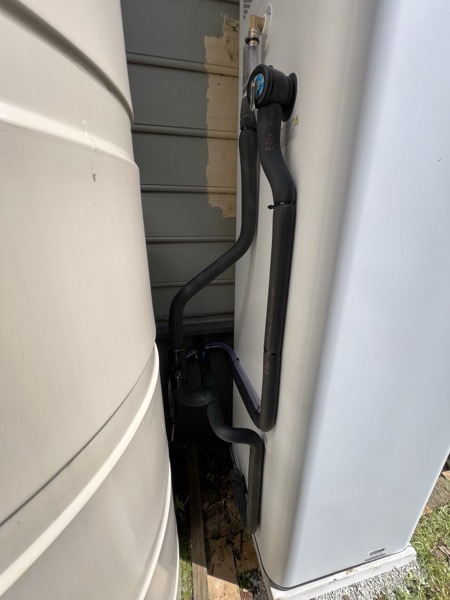
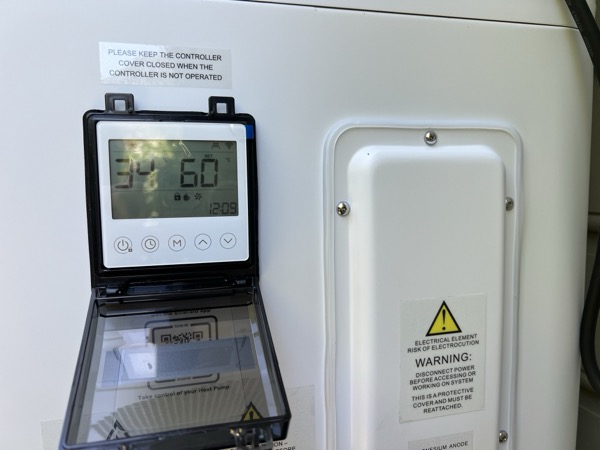

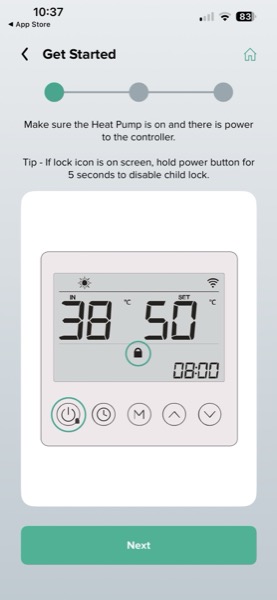
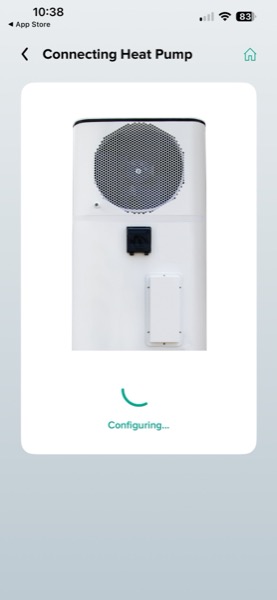

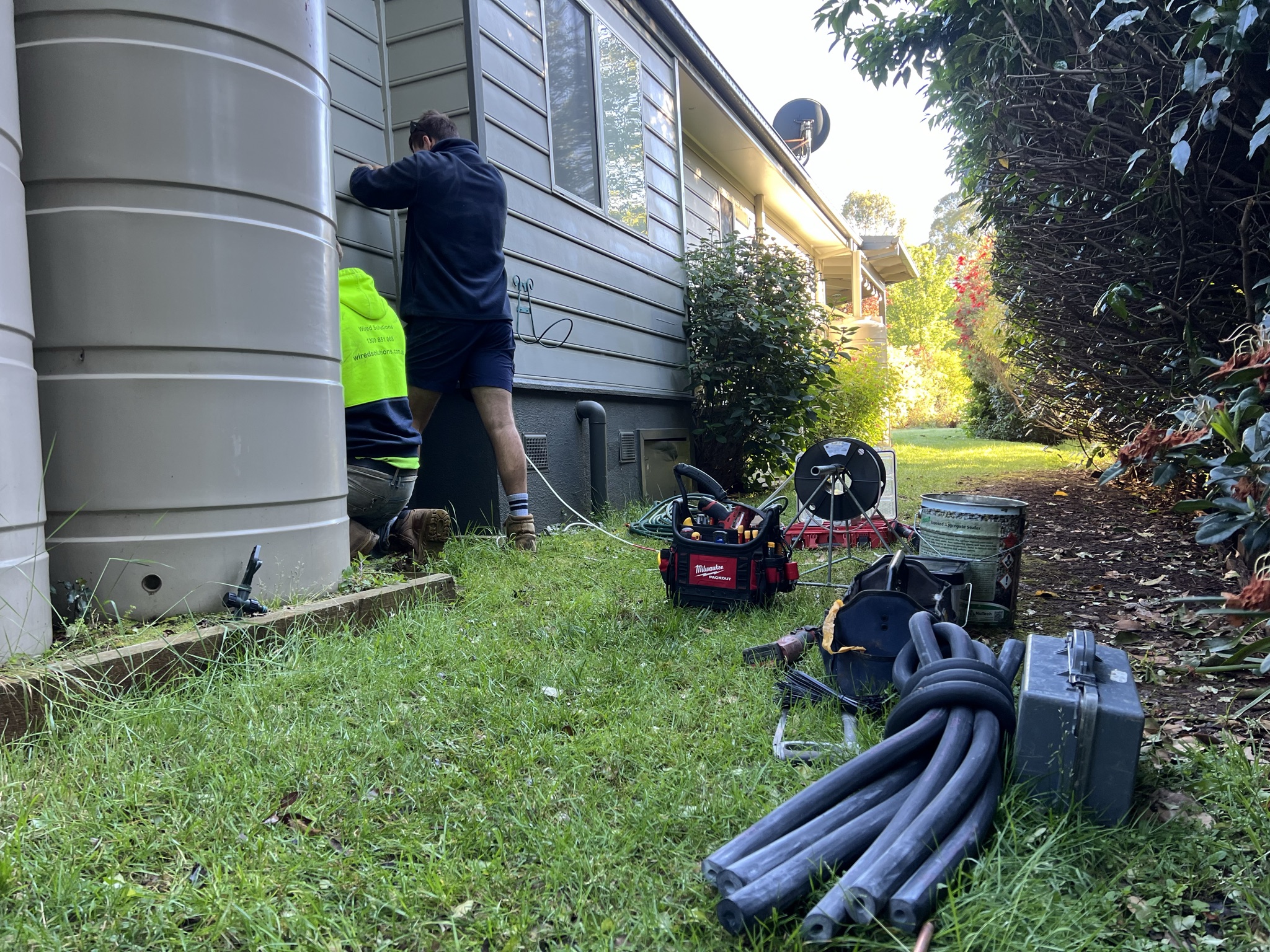
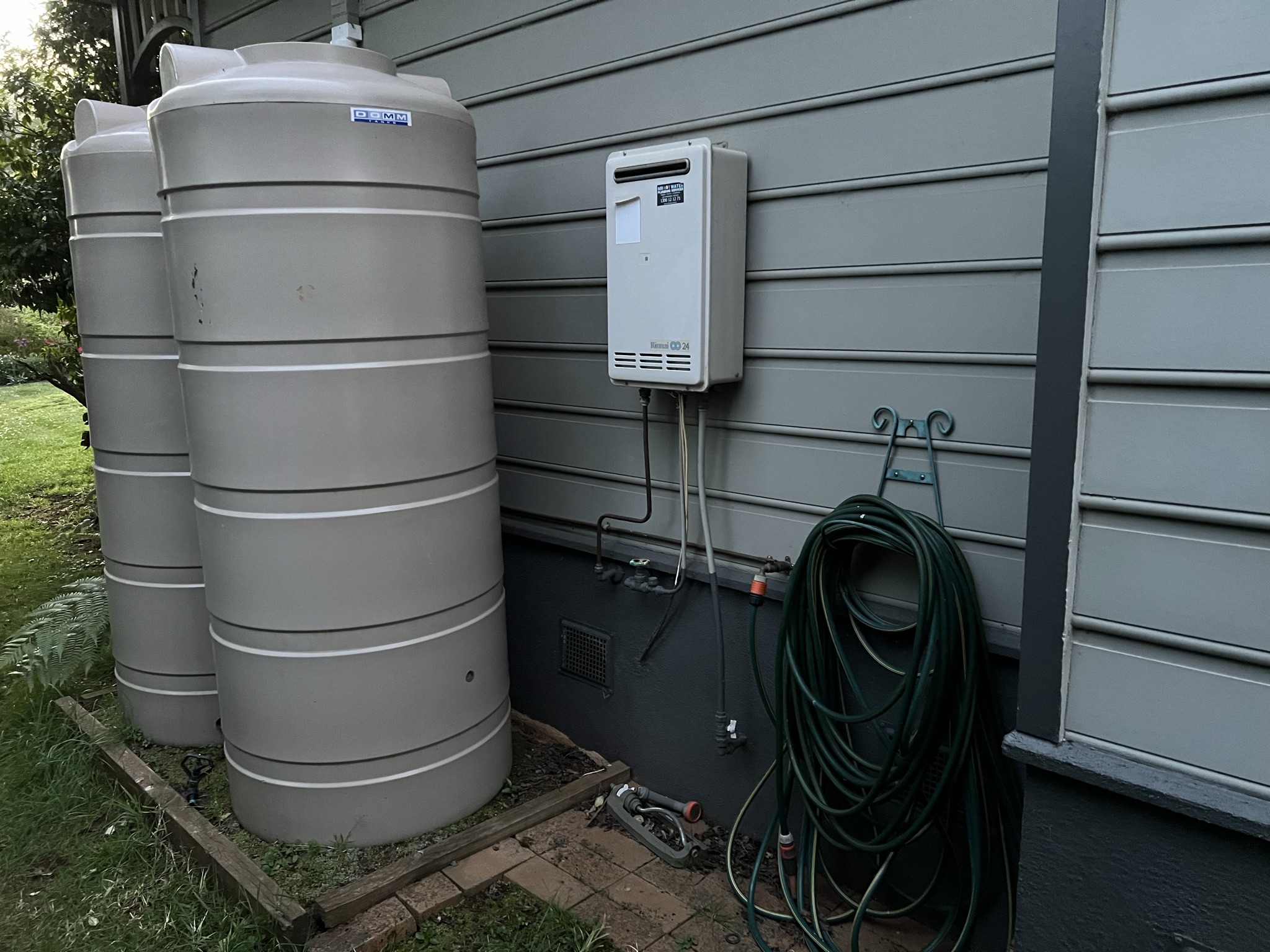

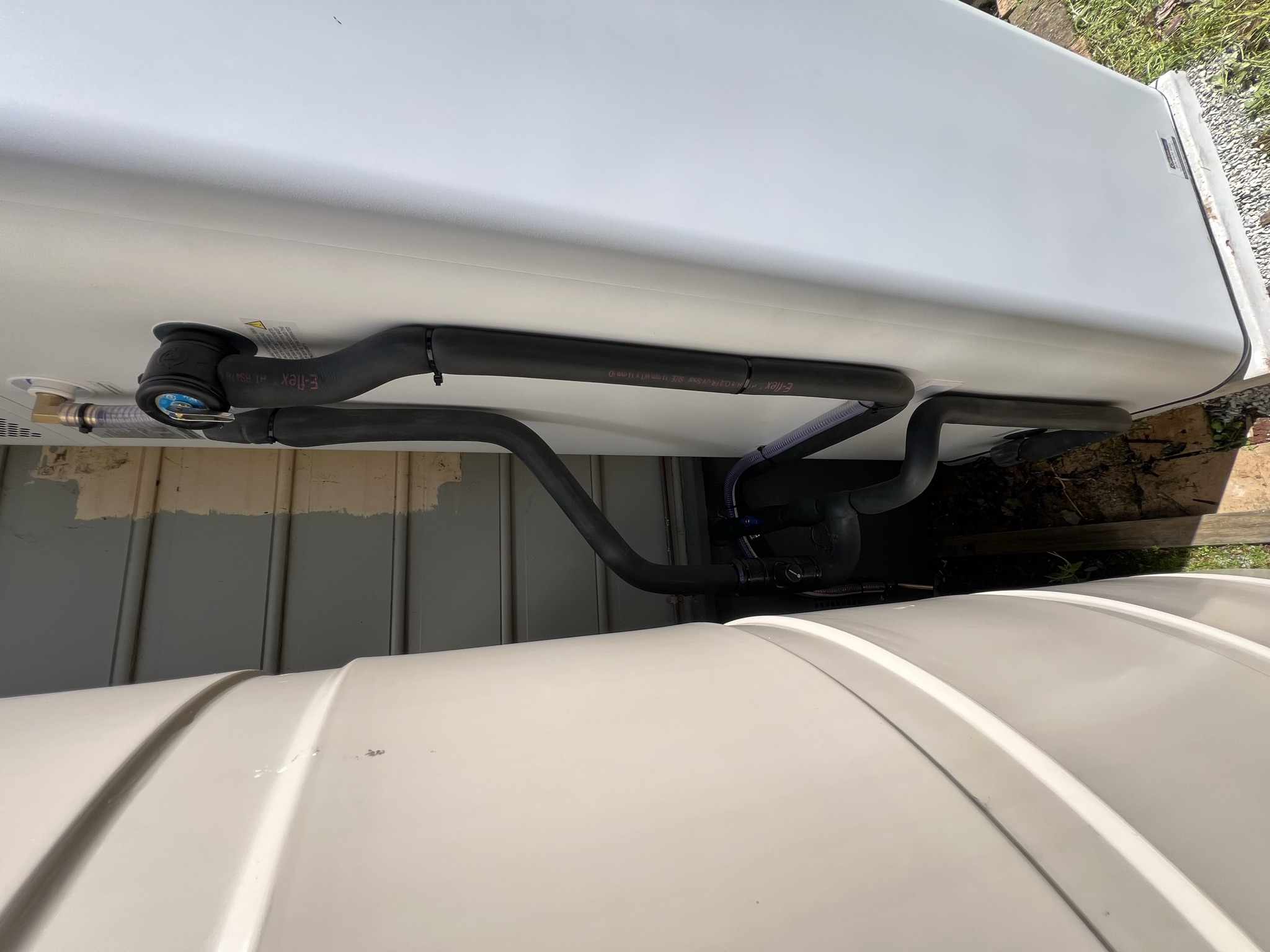
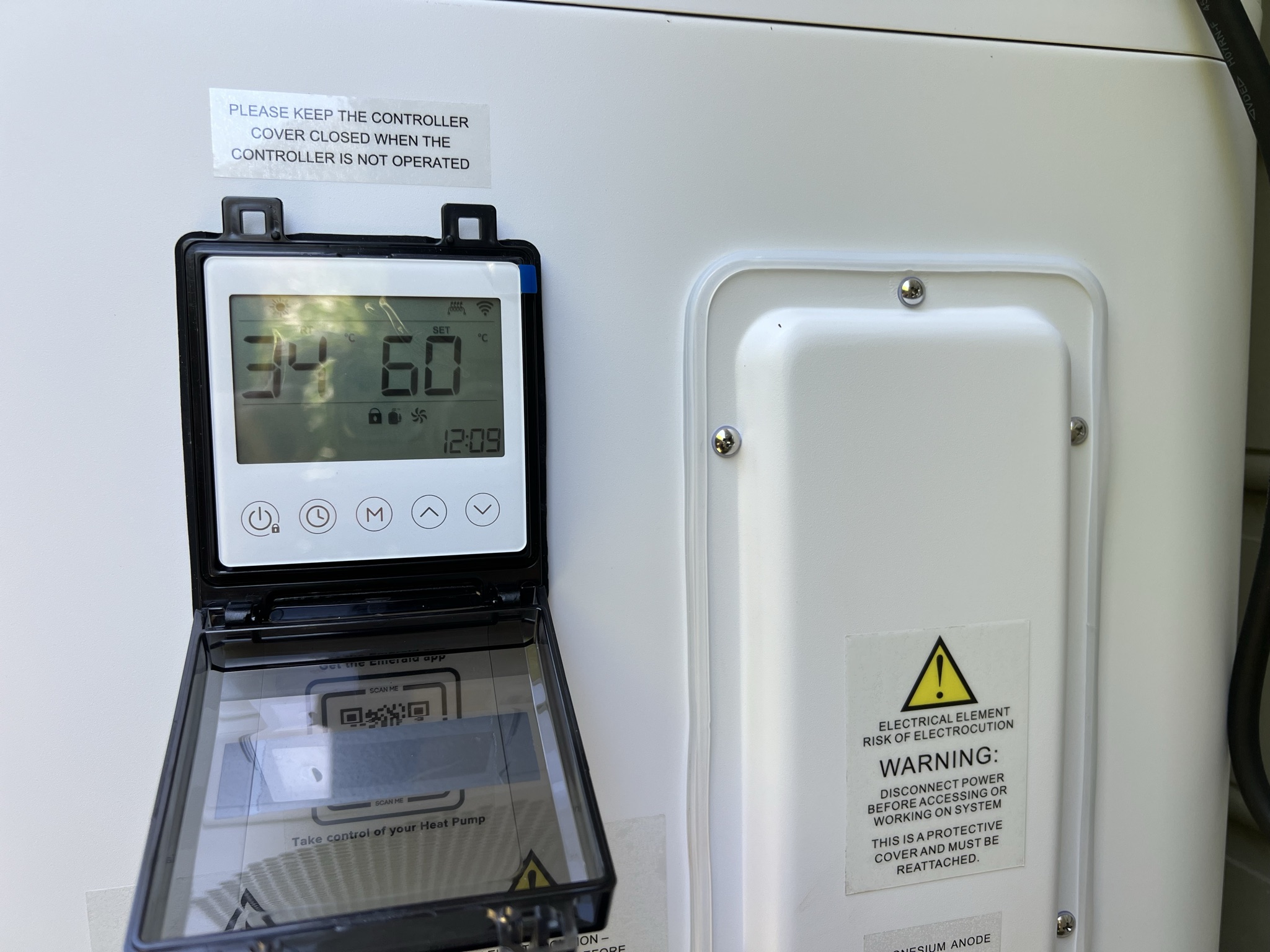

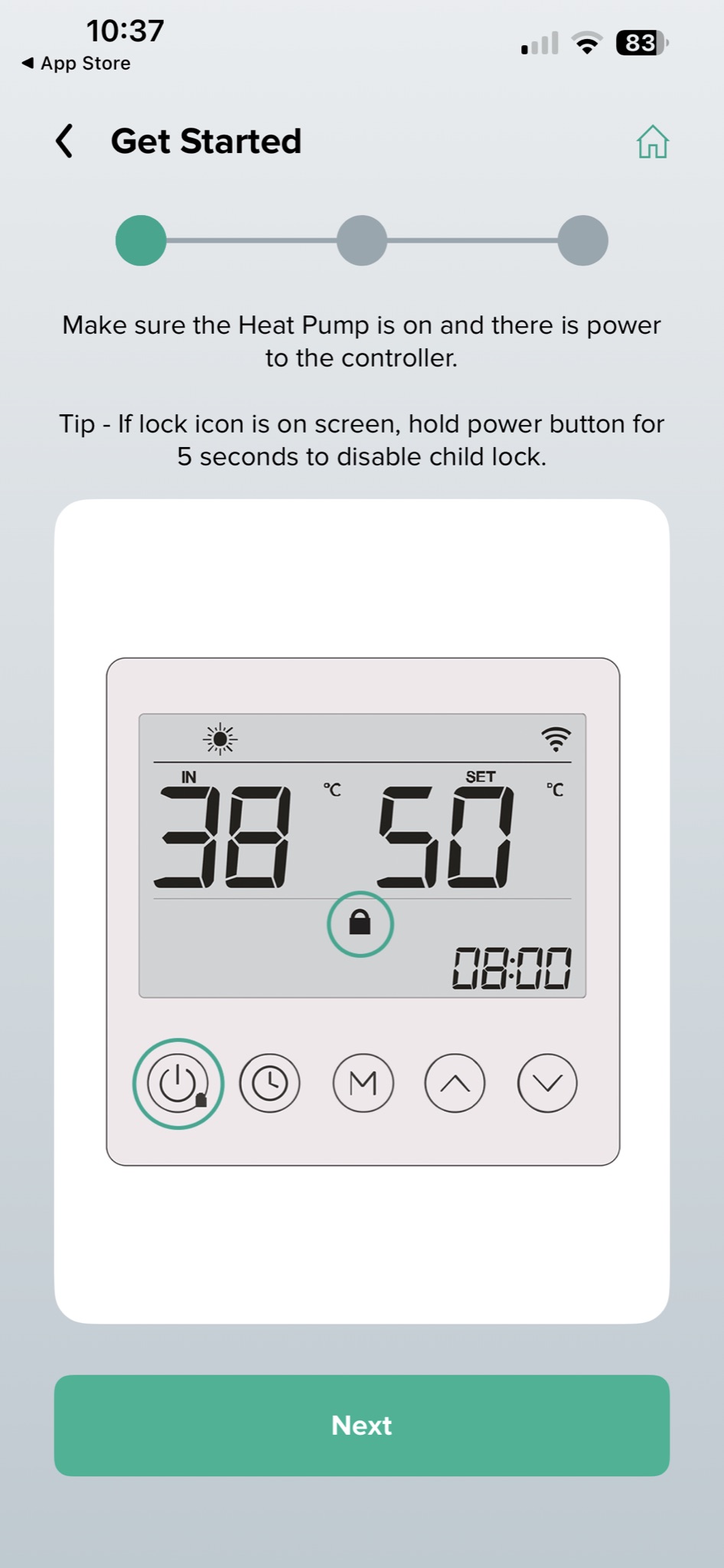
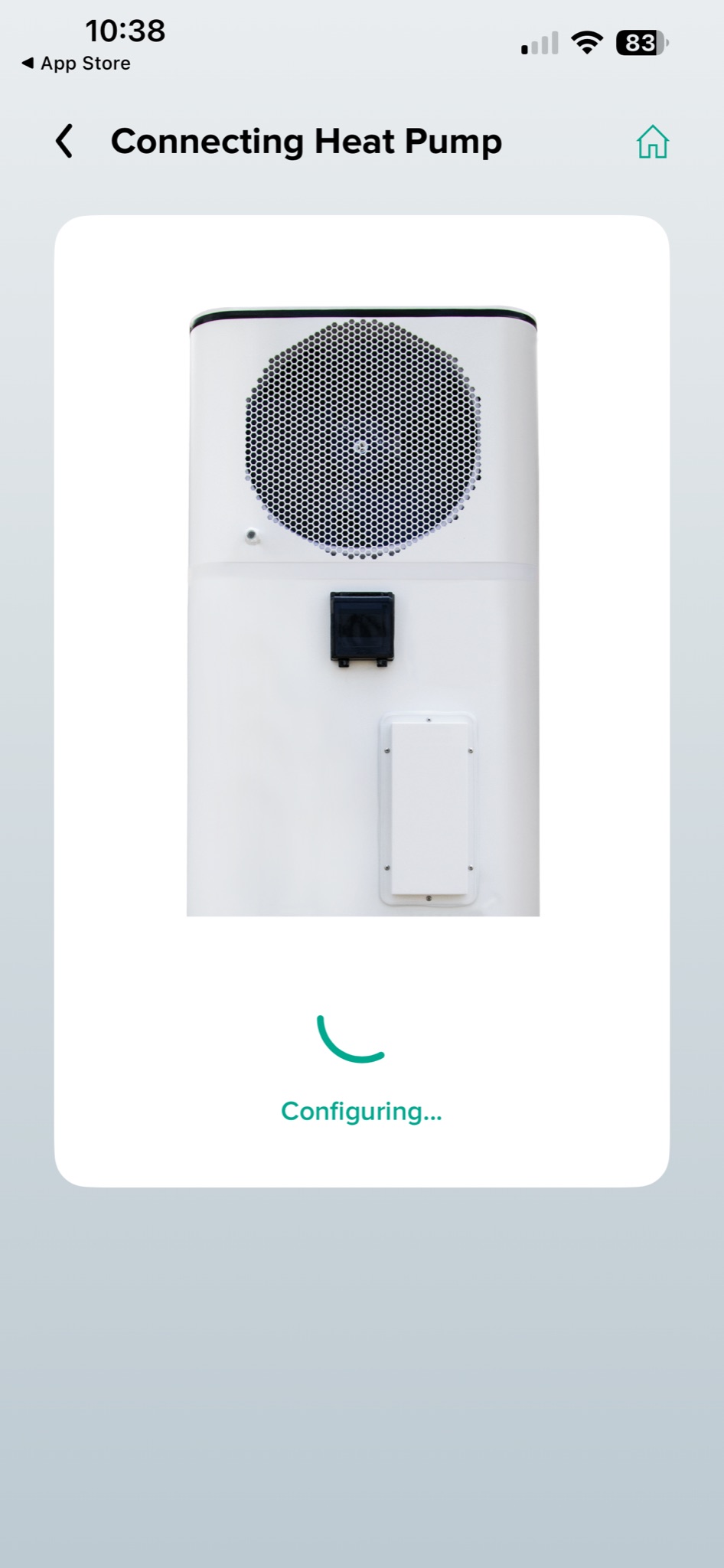

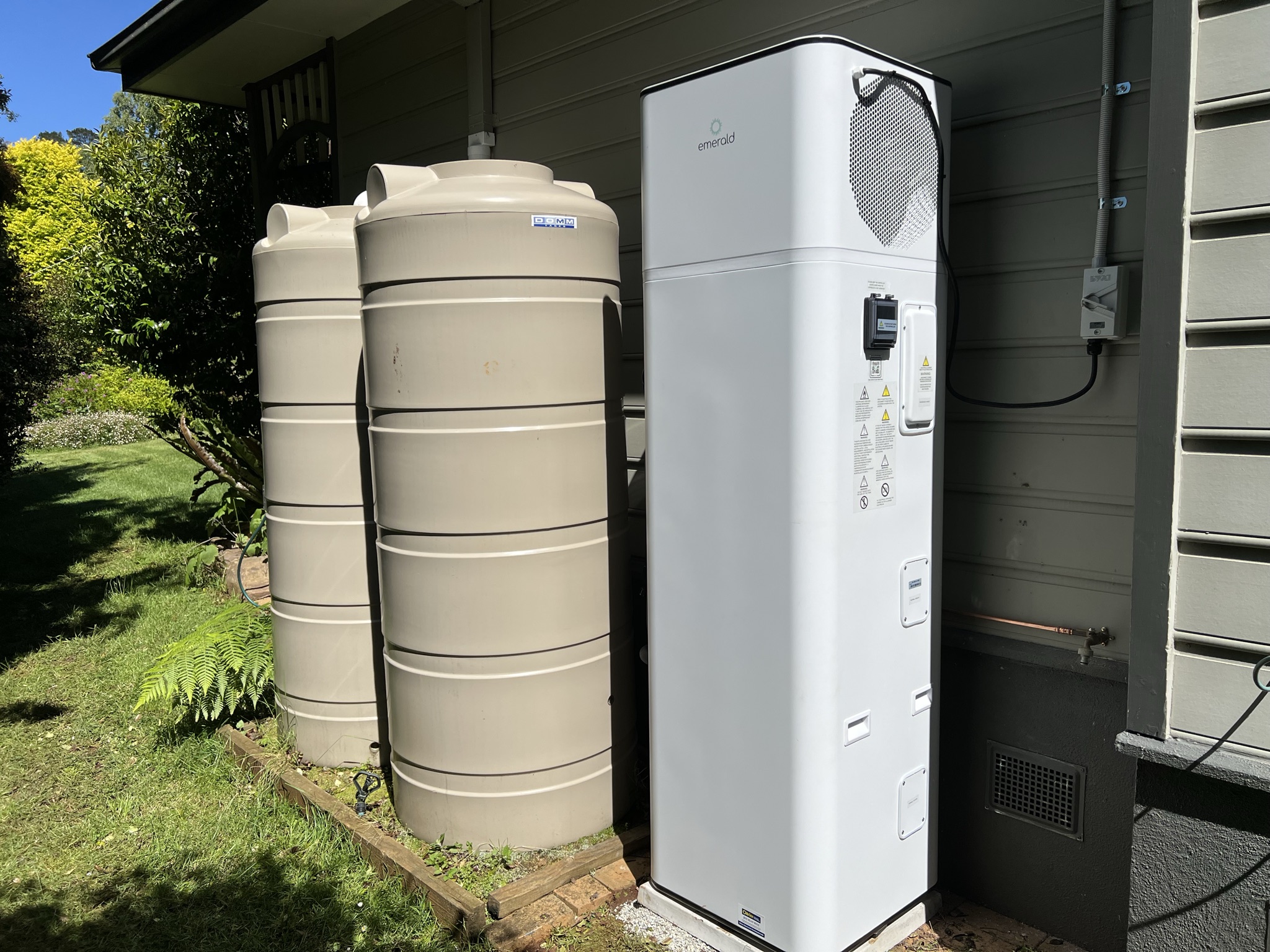
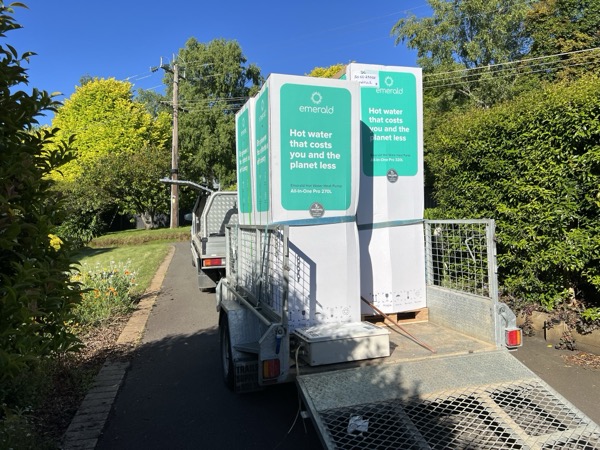
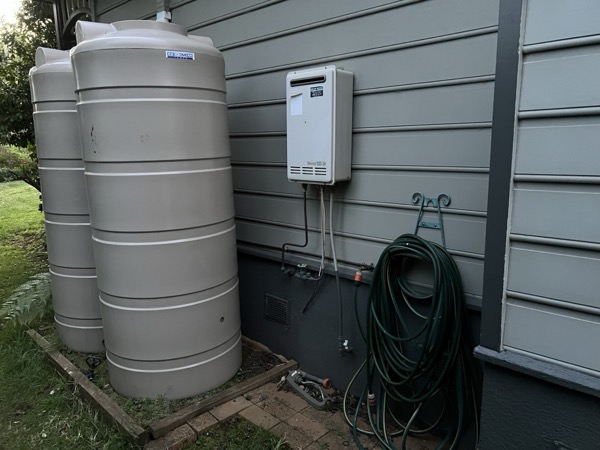
We finally got around to installing a hot water heat pump, to replace our gas hot water system.
We were paying about $40 per month for our instant gas hot water (plus $40 connection fee). Now we’re paying nothing, because the heat pump is just using our excess solar power. Without solar, I estimate it would be costing us $8 per month to power it from the electricity grid.
There are a few incentive schemes around to replace gas (or other old inefficient systems) with a heat pump. An installer will factor these into their quote. The subsidies can be significant. In our case, the total price was $4480, but it was reduced to $1650 for us to pay, after subsidies were subtracted.
A hot water heat pump uses the same principle as an air conditioner (which is also a heat pump). It “pumps” heat from one side to the other. In this case, it pumps heat from the outside air into the tank of water. The basic physics is that when you compress air in a confined space, it gets hot, and when you expand it, it cools down. Using one unit of electrical energy to compress, results in four units of heat energy. So, it’s very energy efficient and very cheap to run. The basic economics is that, as far as I know, a heat pump (air conditioning or hot water), is the cheapest way to heat (or cool). It’s at least a quarter of the price compared to running a traditional hot water tank with a heating element, or a gas hot water system.
Our previous system was instant gas hot water. It’s basically a gas burner that heats the pipes through which the water travels when we turned on the hot water. The initial spark for the burner was provided electrically. When the installer replaced that system, they had to certify that they destroyed the gas burner, by drilling a hole through it. There’s no point removing the gas if it could just be used again elsewhere.
I found the choices of heat pumps and installers quite overwhelming. That’s part of the reason why it took me a year to knuckle through and pick one. I looked at reviews on the MEEH (My Efficient Electric Home) Facebook group and asked a few questions there. I watched a few videos from installers and companies. I created a spreadsheet to compare features, cost and warranty.
I chose an Emerald heat pump, mainly because:
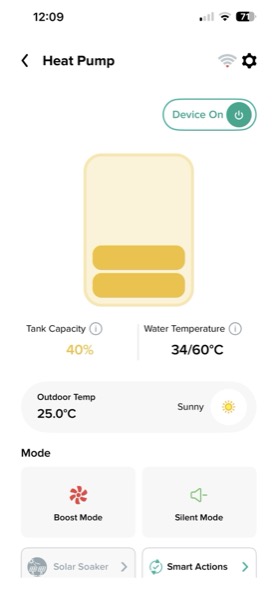
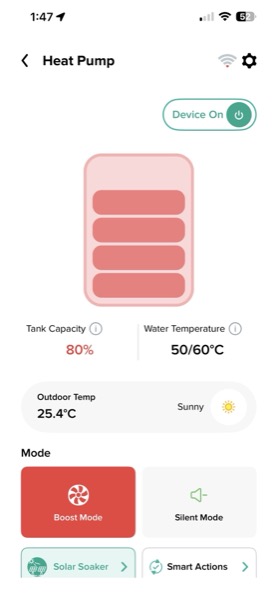
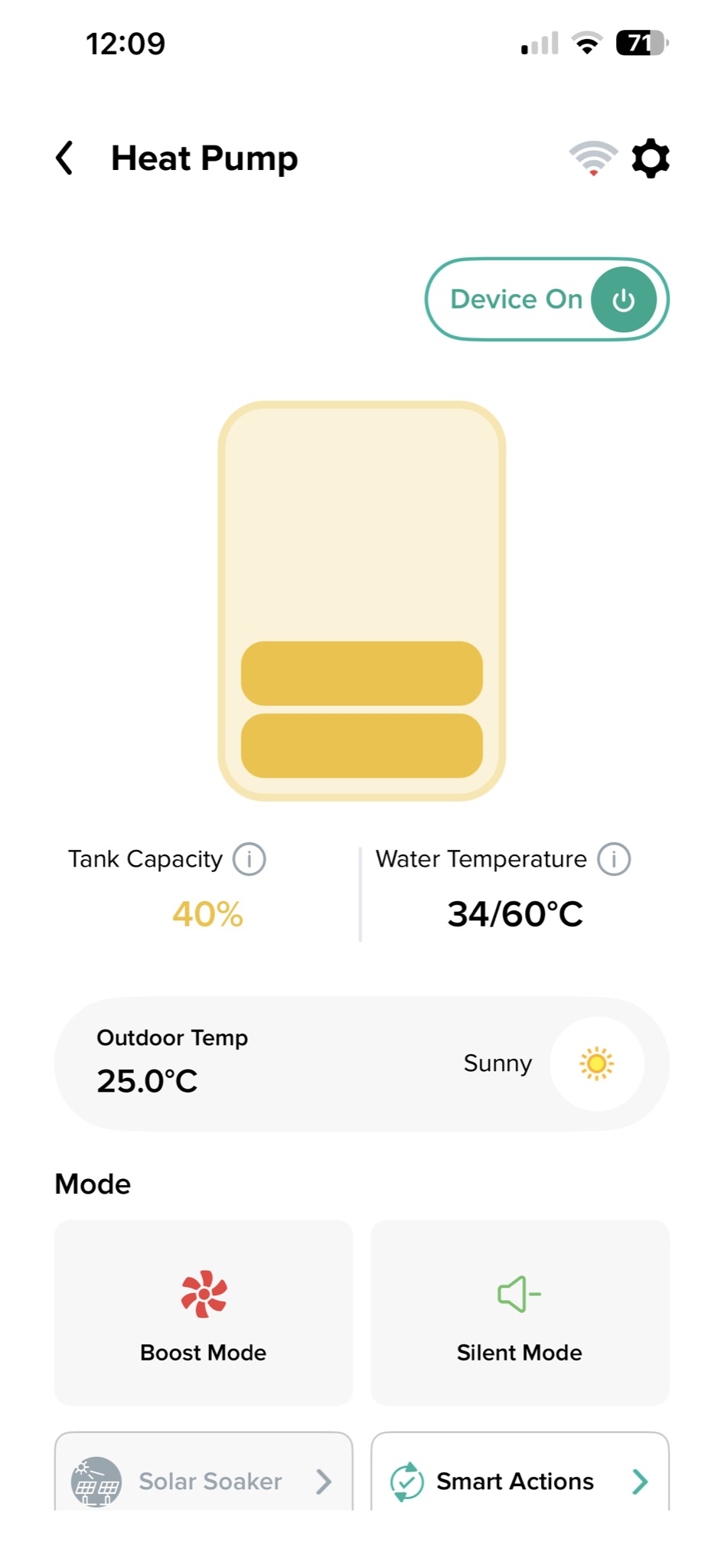
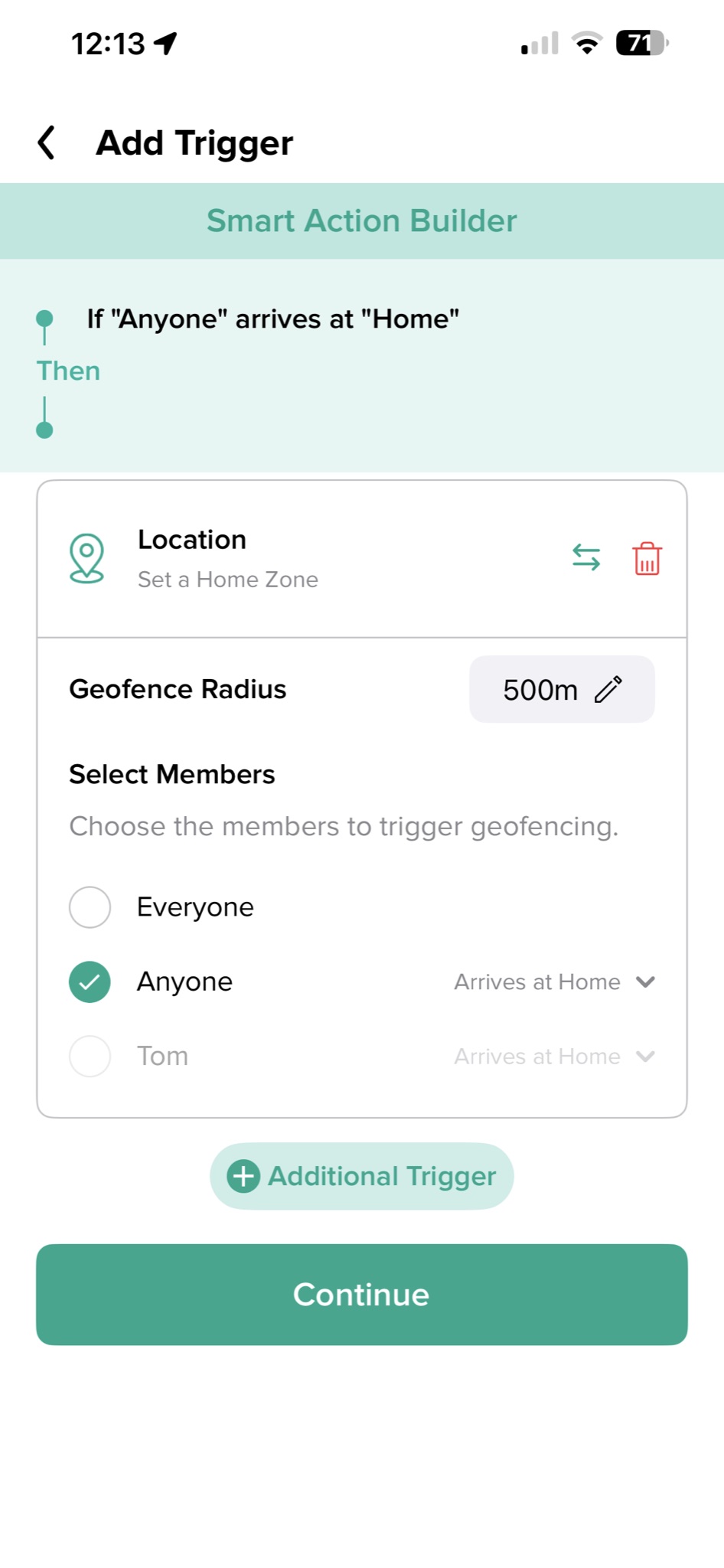
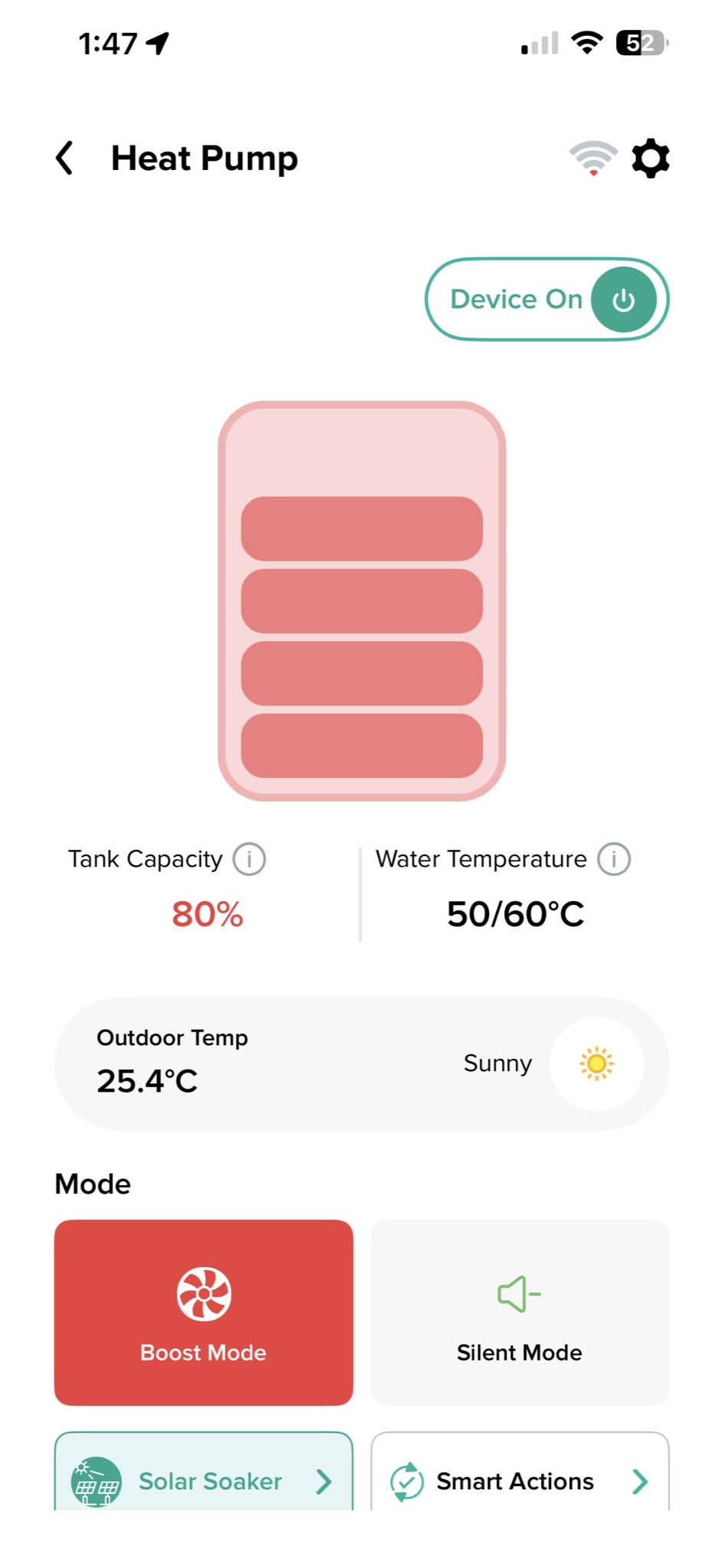
- They have an integrated app that shows how hot the water is, and lets me remote adjust settings.
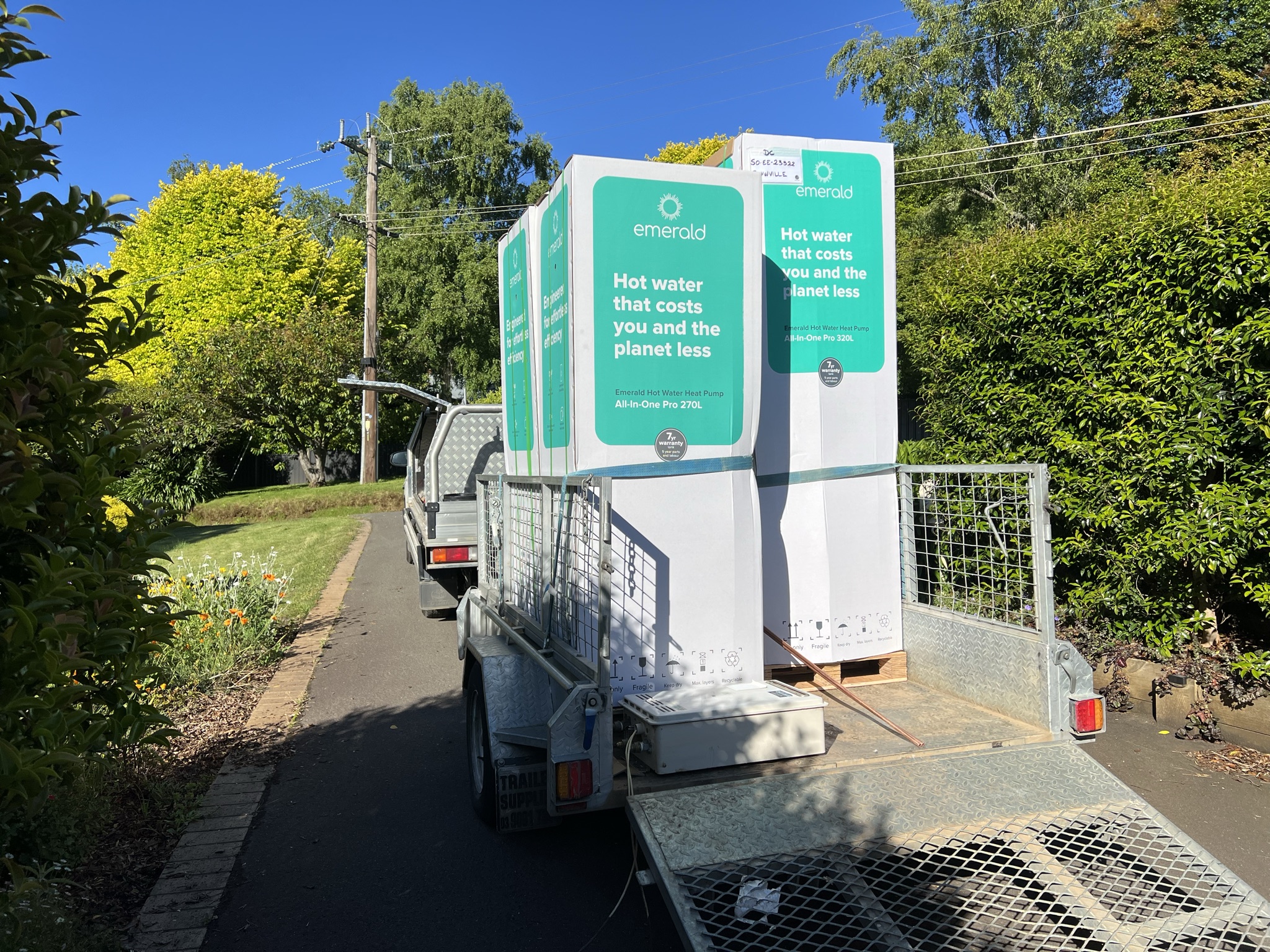
- Many brands have a max tank size of about 280L, but I wanted a 320L tank, to match the number of bedrooms, even though we mostly only have two of us at home.
- I chose the model that has a “boost” element, so I can tell it to boil the water quickly on the rare occasion when the hot water is low, with showers waiting to be had.
- Good price.
- Australian company, who actually answered an enquiry (eventually).
All these factors were probably to avoid the “trauma” I suffered in our previous house, where I was continually asked “Dad/Tom, is there enough hot water for me to have a shower?”. My typical answer was “I have no way of knowing, except that two of you each just had a 15 minute shower, so I am guessing not!”. Now I have data and a “my family abuse the hot water” button.
I chose O'Brien Electrical & Plumbing Rowville because they had good reviews. They have a good on-line quote system, unlike many others that required a phone call (what is the point of a website?). They gave quick and thorough answers to my email queries. Once we got into the installation phase, it seemed to shift over to a different part of the company that wasn’t across the emails, and preferred to call. It was a bit of a disconnected experience.
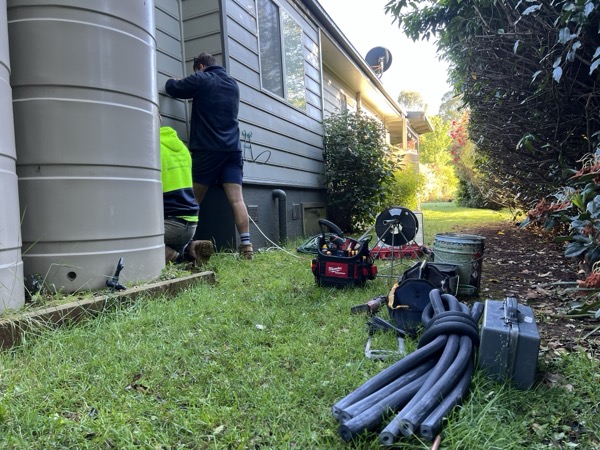
The actual installation was great. An electrician (Adrian) and plumber came to our house, answered my questions, installed neatly. Very professional. They had to run a new circuit for the heat pump boosting element, up through our roof cavity to the circuit board on the other side of the house. They even moved my garden tap to accommodate the tank. It all worked great.
A pleasant surprise is that the hot water actually flows a bit sooner now, which we especially welcome in parts of the house that are a long pipe length from the heating. The preheated hot water can start flowing as soon as the hot water tap is turned on, whereas the "instant" gas ironically had to boil some water first.
The only post install problem I have had is that the pump doesn’t seem to turn off when I tell it to, from the app button or schedule. I want to turn it off when we’re sleeping, since the pump is right behind the bedroom wall. Fortunately, I can set it to silent mode, which is much quieter. I will chase up a fix for the pump switching. The pump makes about the same amount of noise as did the gas burner, but that only occurred while the hot water was being used.
Related Posts
- More on our home electrification — start of the series: A few neighbours and friends have asked us for advice… 4 Dec 2025
- Three months on — testing how fast it heats: Heat pump testing — how fast does it heat? 19 Mar 2026
- Later in the gas-off journey — the upstairs air con: Make way for more air con compressors 19 Feb 2026
- The last gas appliance went too — the cooktop Oven bought in March, arrived in July 12 Jul 2026
Report
That's last year's pricing though and this year is 3 less STCs so about $110 more now would be typical.
Report
Report
Report
Report
Report
Tesla Tripping Compressor power is a key thing to compare.
Like with a car, you'd at least think about the power of the engine, right? 4 cylinder, 6 cylinder, etc.
So... not comparing compressor power (or reheat time, or recovery time, or something that relates to compressor power)... is missing a very key parameter.
So what?
Well, if your household uses a fair bit of hot water, or it is a very cold day outside.. you might run out of heat-pumped hot water... if one has installed an under-sized unit. That means the electric-resistive element may have to also kick in ... so you really haven't bought a heat pump after all...
Report
Report
Report
Report
Report
Getting the bigger tank just increased the recovery time with no real performance benefit as a result.
Report
I have been told by two reputable companies that it will, without any trouble at all.
But since we have always been using brands such as Rinnai and Aquamax I am on the fence..
Thanks in advance.
Report
In a worse case scenario, such as when one of our kids moved back in for a few months, her 20+ minute shower on full left only 10 minutes of shower for the rest of us.
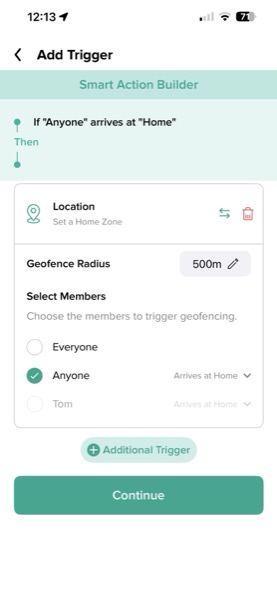
We also have the option to “boost” it using a heating element, if we get an alert that hot water is nearly gone and we need another shower soon.
Report
Forgot to mention,
We are a family of 6 adults.. never had any issues with our previous gas hot water systems, and even the current one which is a Rinnai SG175.
Report
Of course, 320L at 60°C is the same from any source, and will provide the same amount of showers.
Report
We have got a couple of quotes, which come in over $2300 now, unlike your out of pocket 8 months ago 😊.
We may end up going with the Emerald 320 L with booster, but have been hesitant in going ahead due to the worry of
"what if we run out of hot water" during these terrible cold winter nights..
With the systems we have had, the hw never ran out. 😊
Sometimes I even think of just replacing the current one with similar rather than going with a heat pump.
Report
My perspective has shifted. I no longer worry about wasting hot water, but rather just wasting water. If we come near running out of 320L, then our showers are too long or we need more efficient shower heads or we have a leak somewhere.
Report
Report
Report
Assume you had similar controllers for your gas unit. Were the installers of new system able to remove these easily? Much work involved in repairing residual hole (all mine on tiles)? Sounds like you have had no problem adapting to new system but did you look at whether you could control temperature at the various points of use? And finally, existing gas heater is located on outside of bedroom wall (therefore close to ensuite - most important use point!) so if we replaced with a heat pump, would the sound made be an issue?
Report
We didn’t look into individual temperature controls.
Our hot water system is also right behind our bedroom wall and ensuite. See my post for details of the noise factors.
Report