
Our planned solar installation
Show 0 more photos Show 5 more photos Hide additional photos
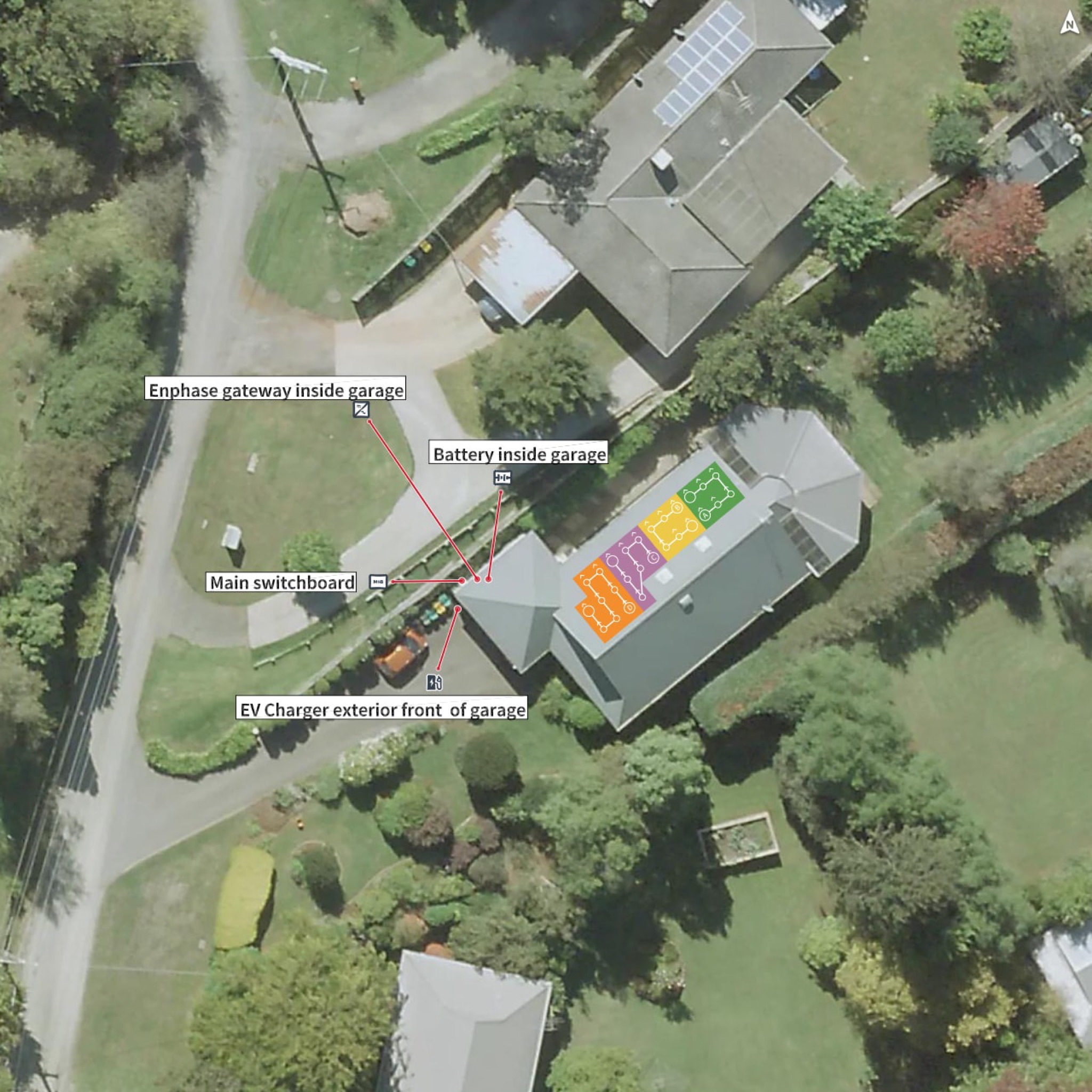
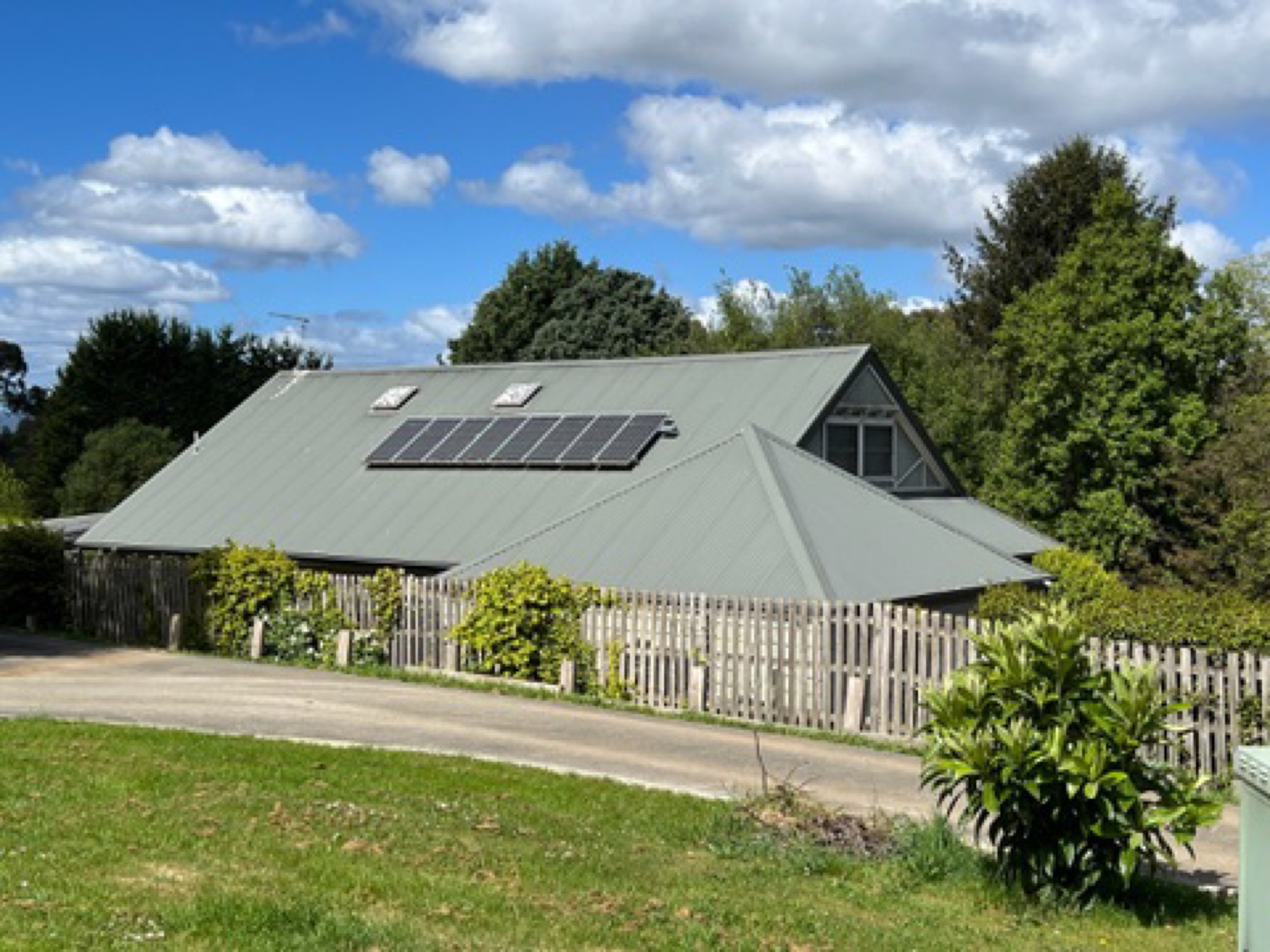
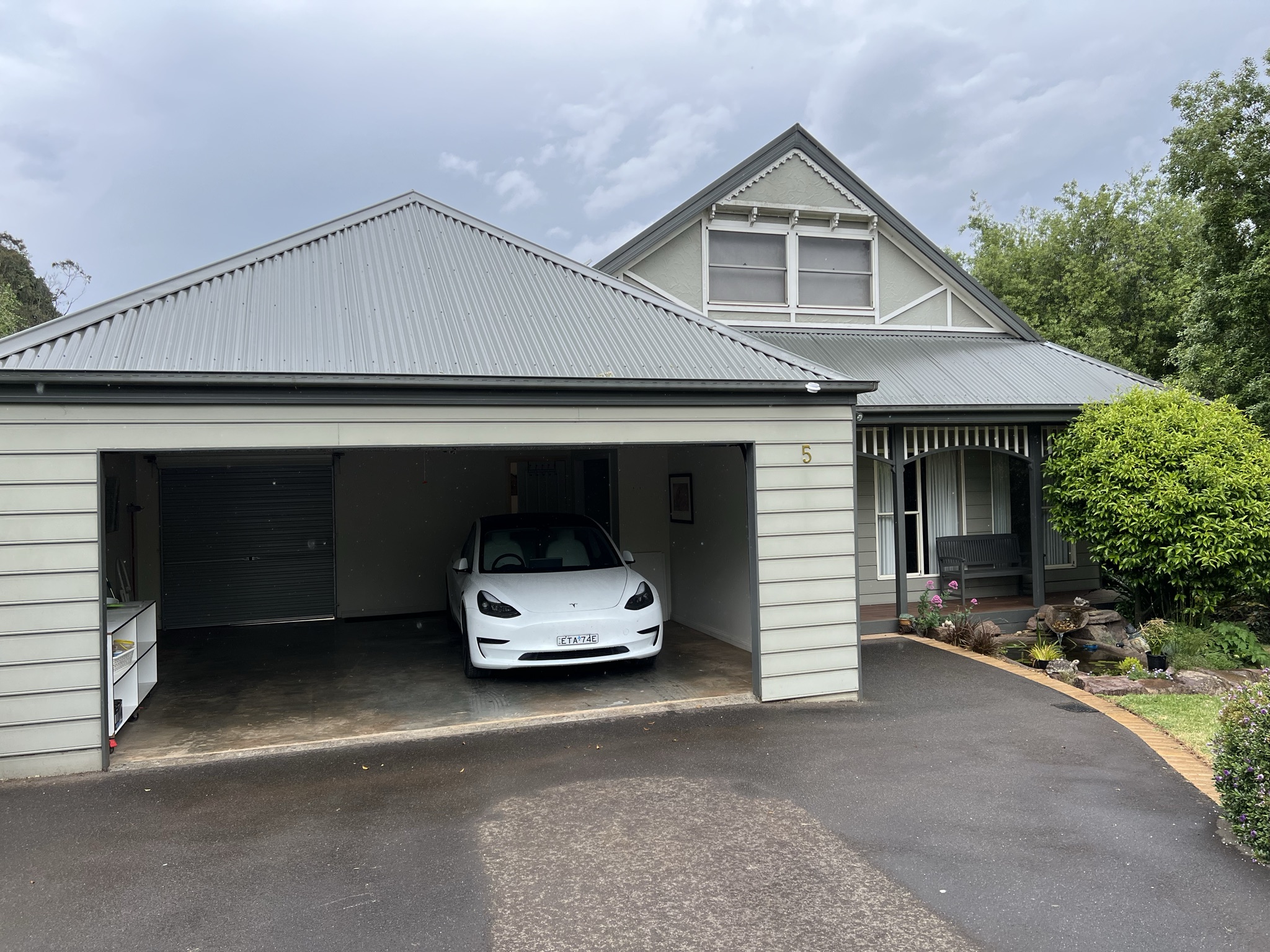
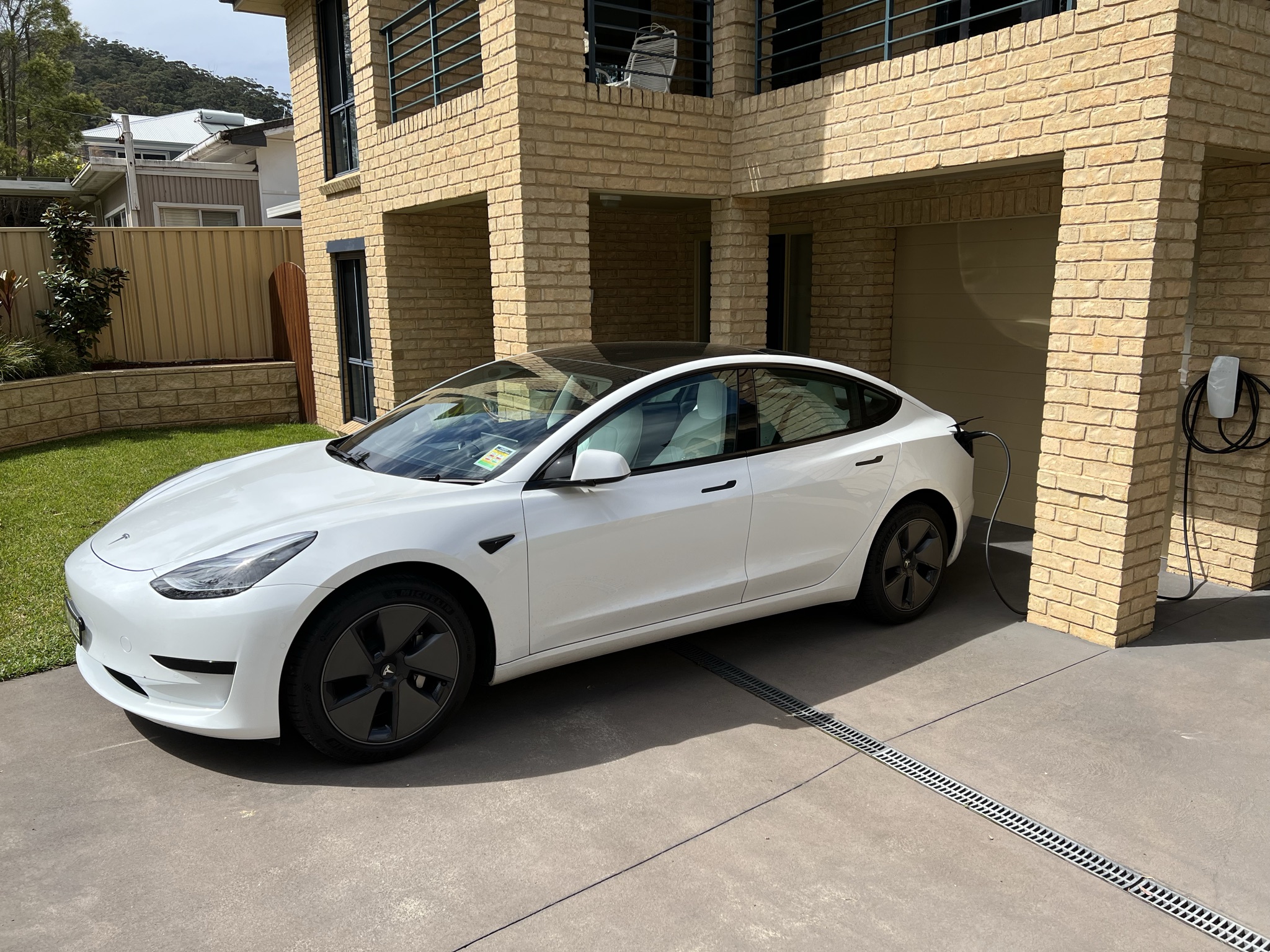
Here’s an update on our planned solar installation, in Emerald Victoria, since some have asked.
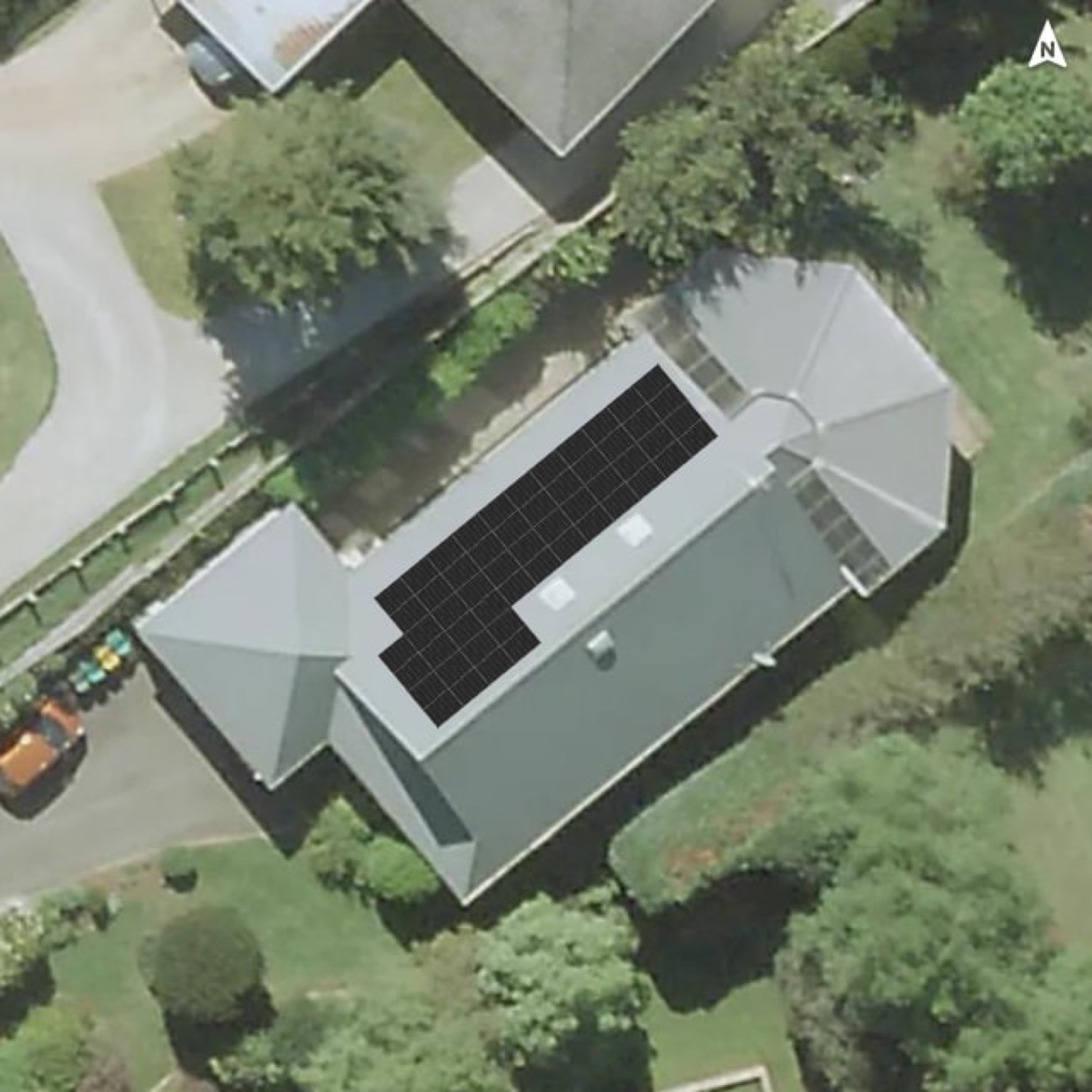
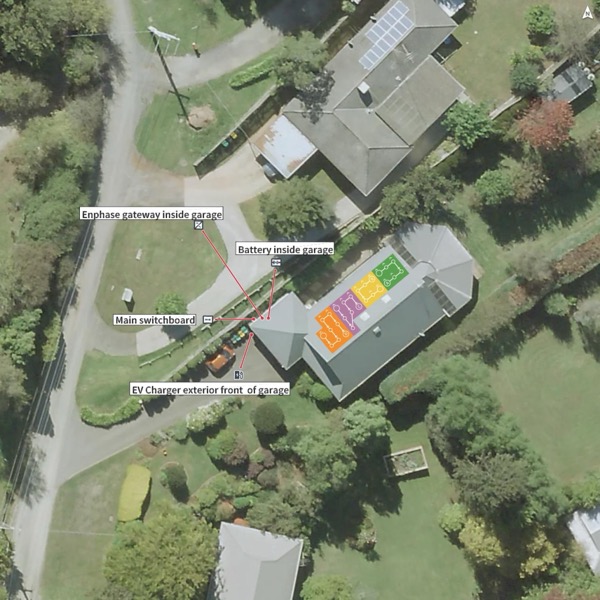
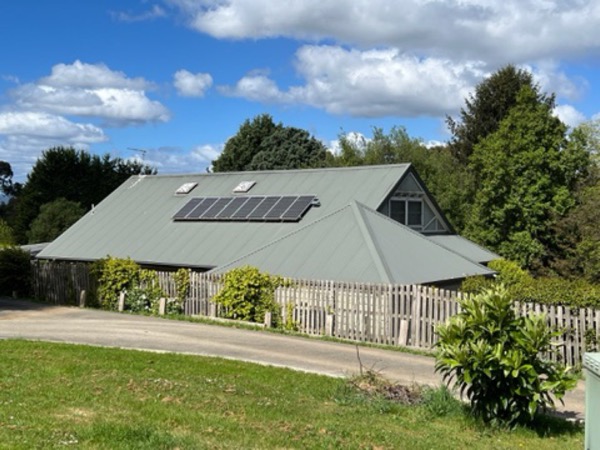
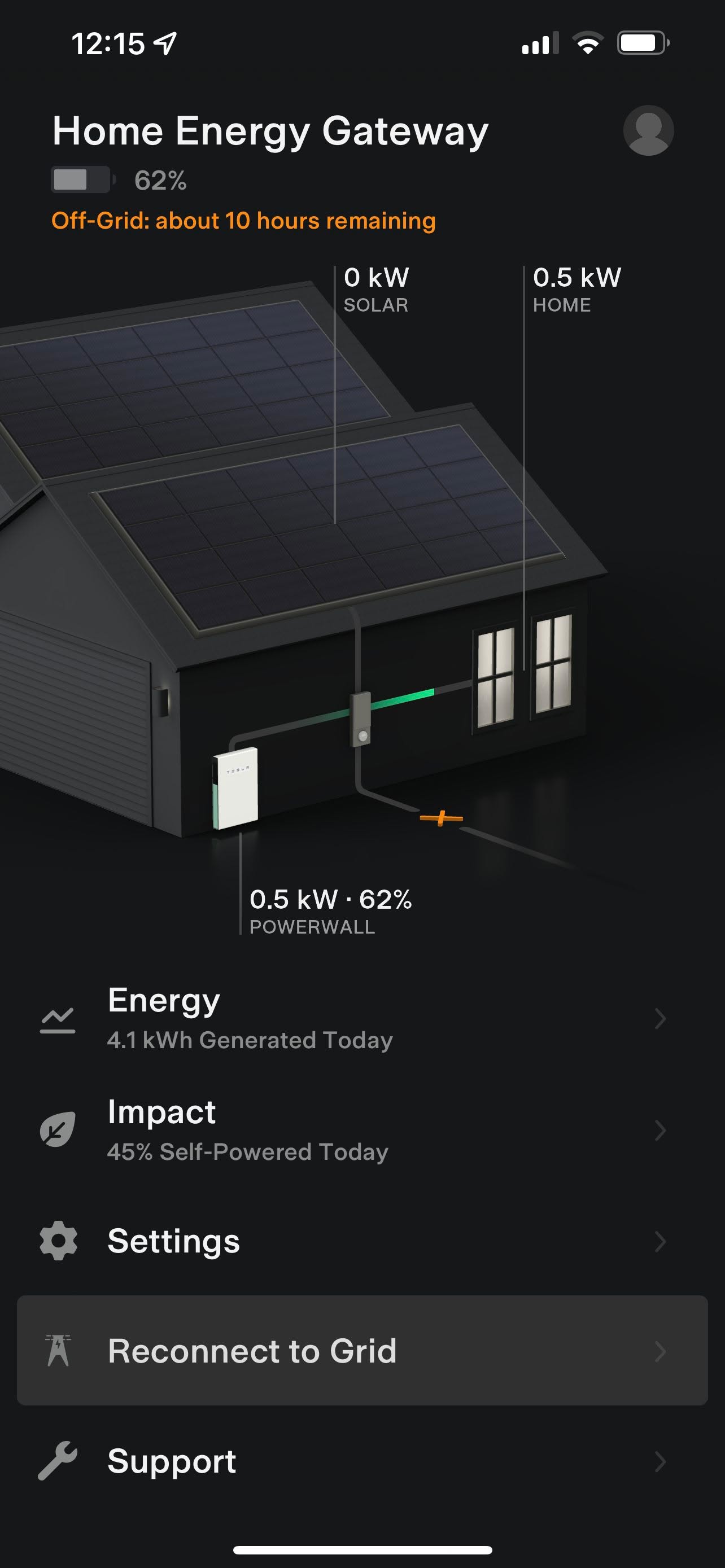
We were hoping to fill the sun facing part of our roof with solar panels. Lightning Energy has been great (Hi Andrew 👋). They put together a detailed initial proposal for us that would have given us 15kW of electricity from 34 solar panels (0.44kW each panel). The plan was to use that to charge the EV (7kW) and house battery (5kW), hot water, air conditioning etc. If/when we couldn’t use it all, we would export 5kW back to the grid.
In a disappointing turn, we learned today that AusNet has rejected the proposal and capped it at a max of 11.9kW solar panels and 1.5kW export. So, our installation will be restricted to match 😢.
The 11.9kW max solar production would only happen in full sun, in the sunny months of the year. On cloudy days, or in the middle of winter, solar panels only generate a fraction of the max power. For example, we might only generate 50% or 6kW on a sunny day in winter. The main disappointment with the AusNet system limit is that it reduces our capacity to be self sufficient and actually take stress off the grid. It doesn’t make sense to me.
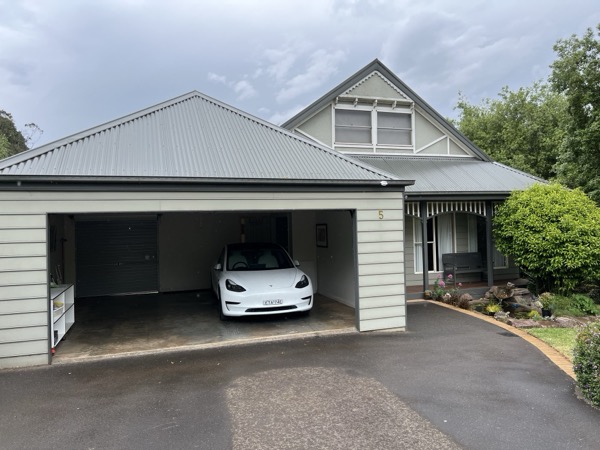
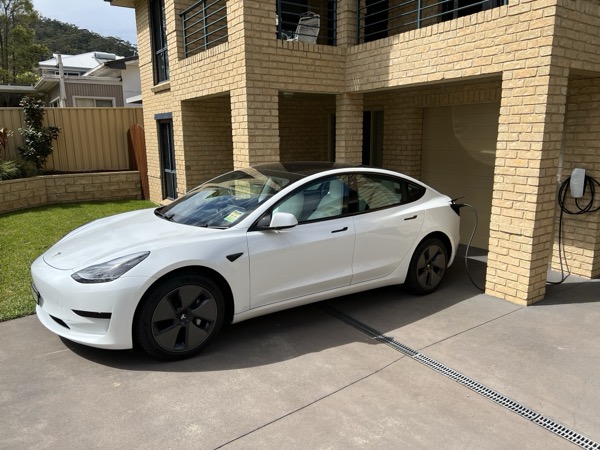
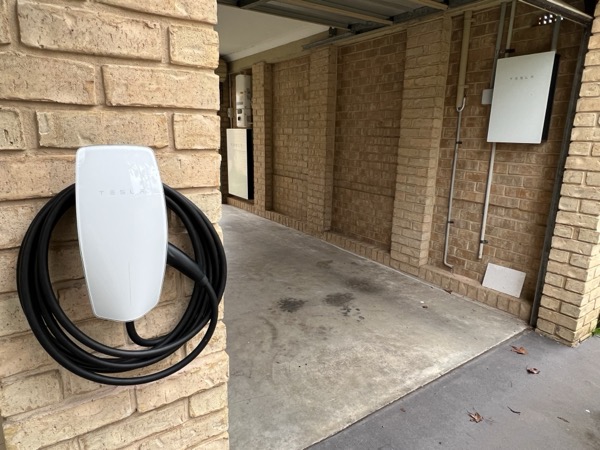
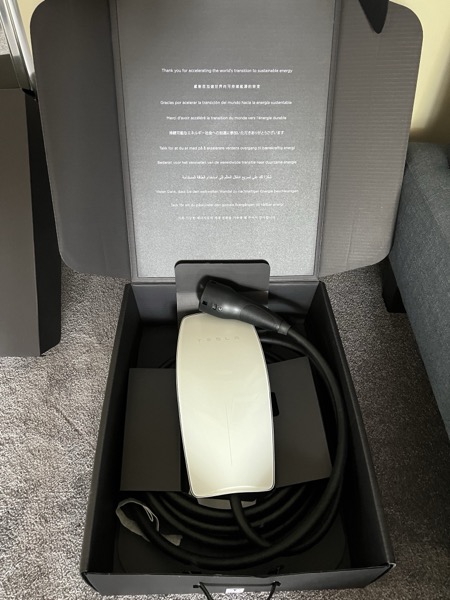
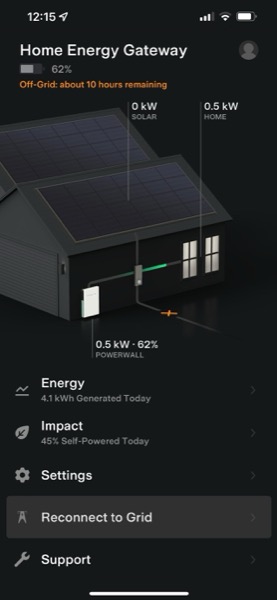
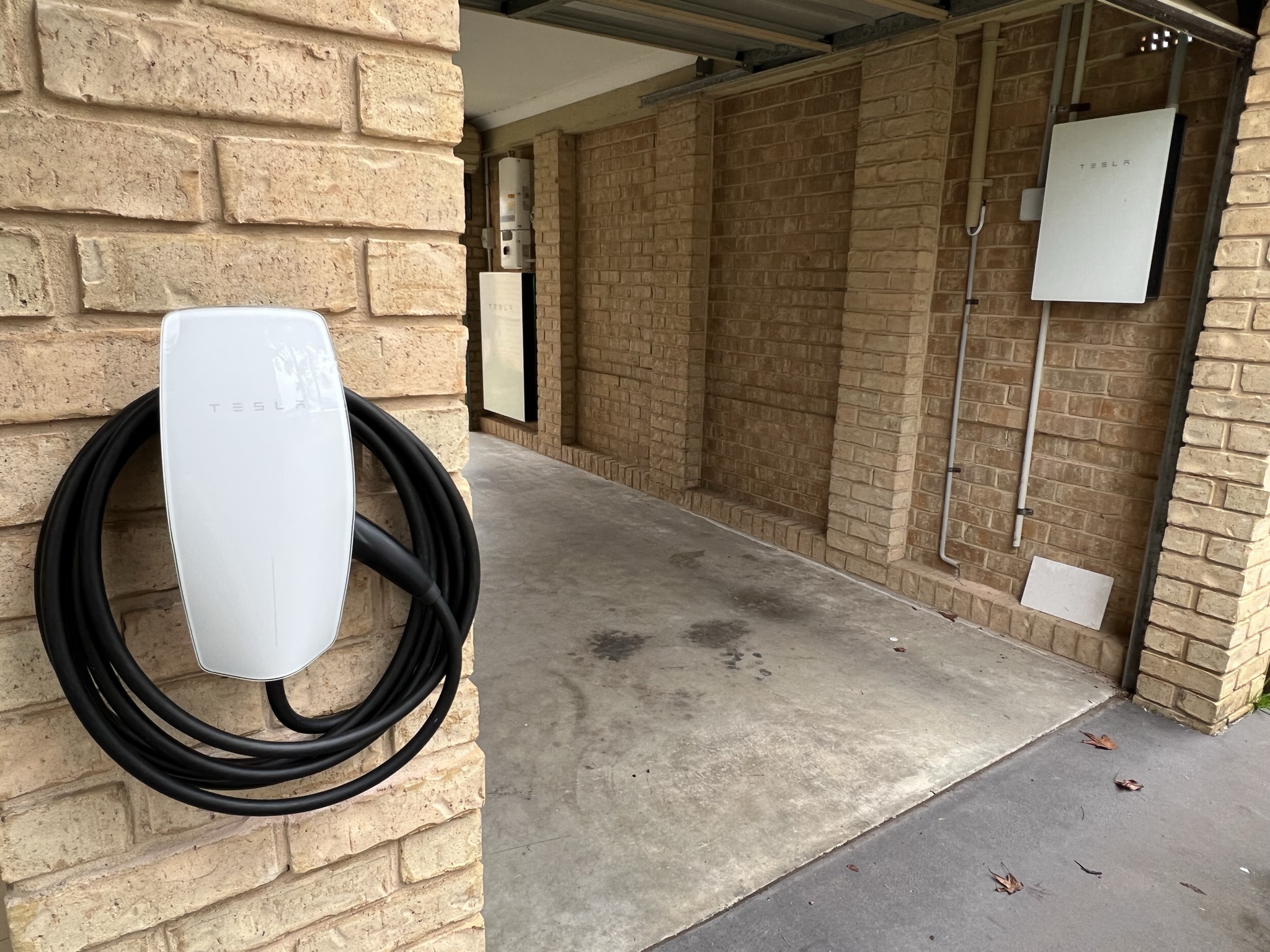
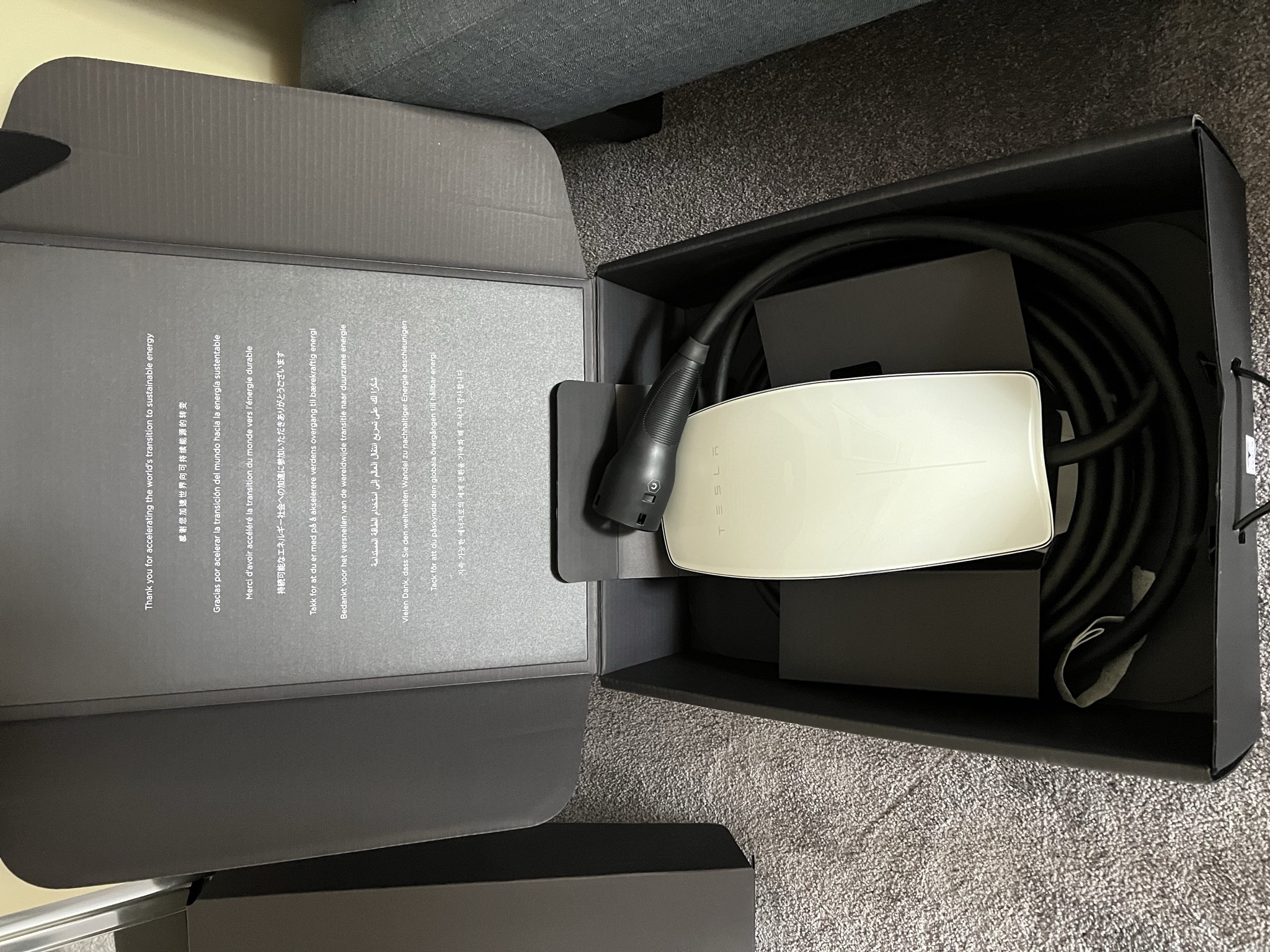
Our old Tesla EV wall charger will be coming with the removalist in a couple of weeks, just in time for installation at our new home. I’m looking forward to the Tesla charger, battery and car working together to ensure that we are “driving on sunshine” – using only solar power to run the car. Back at our previous home in Saratoga NSW, a year ago, we had a similar setup, but “driving on sunshine” is a new option Tesla has added to the software since then. We previously used Charge HQ for a similar result.
Charging
Once we get the solar panels installed, on sunny days it will generate up to:
• 11.88kW (that’s the speed or instantaneous power)
• Probably up to 65kWh total per day (that’s the energy)
On cloudy or winter days, I’m guessing we’ll be lucky to get 40% of that.
Our EV charger, provides a maximum power of 7.5kW (240V x 32A). Our EV battery when full has 60kWh of energy. We would typically only do 100km per day, which takes about a quarter of the car’s battery or 15kWh.
Related Posts
- Series index — solar, battery, electrification: Solar, battery and electrification — series intro 4 Dec 2025
The only approval I sought from my distributor was the maximum amount of inverter output to the grid, in my case they happily agreed to 20kW.
Surely you could consider an installation that was configured at the inverter(s) to only output a set limit. Mind you 1.5kW is laughable, did they use an extension cable as the mains?
I do not recall if you have single or 3 phase but if single then perhaps upgrading the connection would be a worthwhile investment as this all seems quite unrealistic.
Report
Report
Report
We have single phase at this property. I think upgrading to three phase could cost anywhere from $5k to $15k or maybe more, depending on the available infrastructure. Three phase would increase our export limit with AusNet to 3.5kW (not 3 x 1.5kW, oddly). I'm guessing it would allow us a bigger solar system. Apart from the upgrade cost, it would also add complications for backup and solar, potentially requiring three batteries or three inverters or only backing up some circuits. We had three phase at our previous property, where we solar would cut out during a blackout, which was frustrating.
Report
Report
You don't have to use the other two phases, just have them and be exporting on them. I'd say switch dishwashers and ovens etc to the extra phases and keep the rest on the existing circuit. You only backup the stuff you need.
Cost of 5-7k sounds about right. I just had this work done.
Waiting on solar to be installed in a week, 19.36kW with a 15kW 3 phase fronius. Don't think it makes as much difference to the cost of the solar. Might be worth asking for quotes anyway. What I like is that the system will always have spare capacity so even winter day reduced output will likely meet needs.
I do like the speed upgrade on charging with the 3ph wall connector, it's way faster. Especially after being stuck with 10A only for the last 6 months. 😆
Report
Report
Report
Report
Report
Report
Report
Report
Report
Report
Your 11 kw system will do all you ask, there may be an odd day where you would need to purchase power but with the battery and a small amount of monitoring I doubt you will ever purchase power. It is the line charge that is difficult to avoid, but your export will cover some of the line charge. We get 15 cents per kWh for 10 kw per day and 5 cents per kWh for the rest. You would be entitled to be paid for about 10 kw per day at 1.5 export. Not heard of this idea here in qld, sounds like a rip off but there may be more to it.
Thanks for posting your adventures.
Report
11.9kW panels is still pretty good considering a 1.5kW export limit.
I wonder if later you could join their flexible export trial?
Report
It seems that the Flexible Exports Trial has ended:
https://www.ausnetservices.com.au/projects-and-innovation…
Report
Report
When Lightning put my solar panels and PowerWall in, as soon as the 1st summer came round, the entire system would shut down around 11am on a sunny day and I’d be totally reliant on the grid till around 4-5pm when the sun started getting less intense.
We found the fault to be overvoltage in the street.
We were getting up to 270v to the house and the system’s safety cutoff would shut everything down.
So after that complaint, AusNet eventually came out and turned down the transformer to our street. Now my complaint against them is most nights when charging, I’m getting between 180-190v.
Isn’t having a privatised power wholesaler great where all the profits go back to China but no work is spent on maintaining the frail and outdated network that was found (by the Royal Commission) to be the cause of the Black Saturday fire in 2009.
Report
Report
Report
Report
Report
Report
Report
Report
Report
Report
Report