
Picked up their first EV, didn't make it home
Show 0 more photos Show 4 more photos Hide additional photos
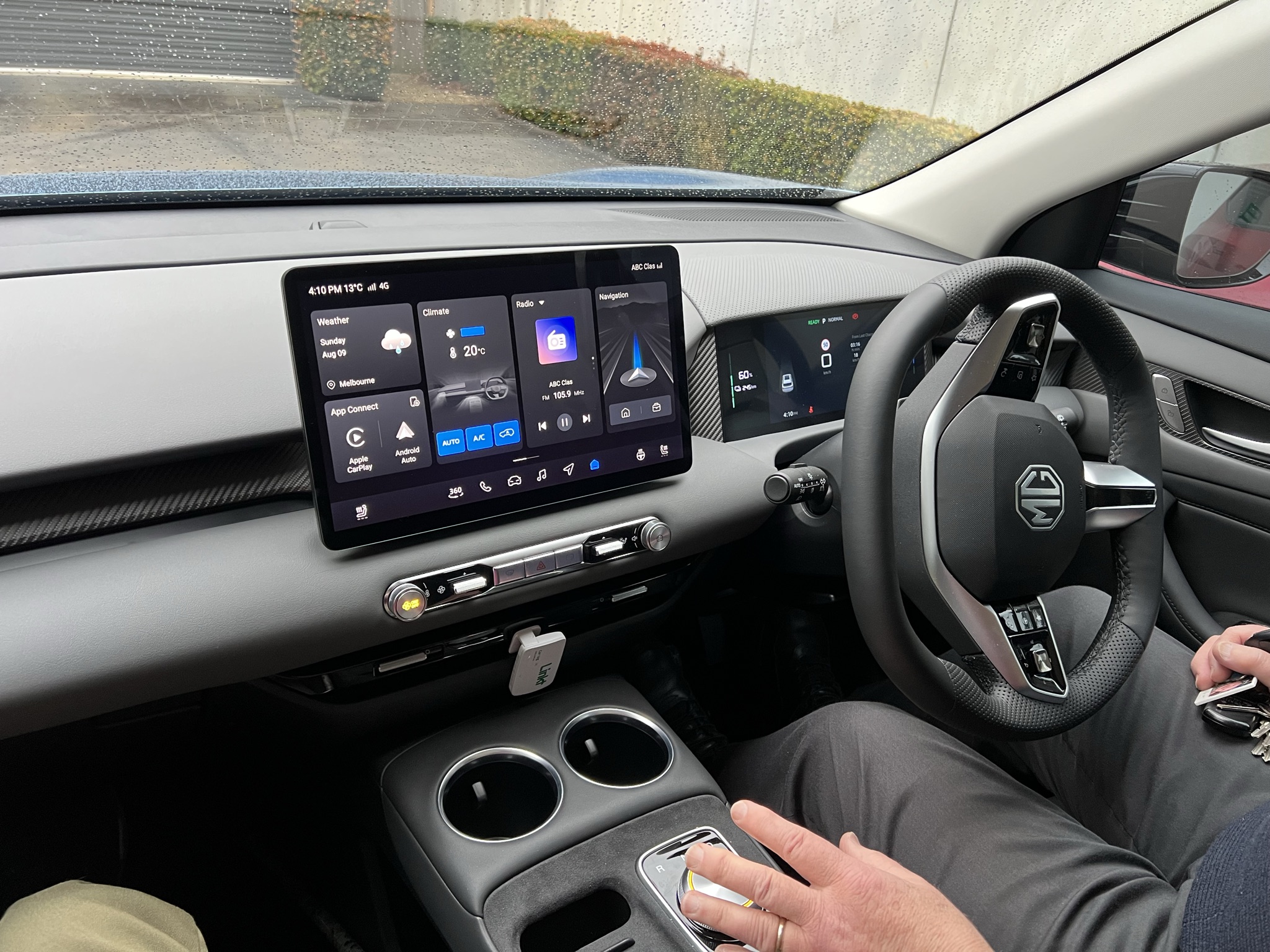
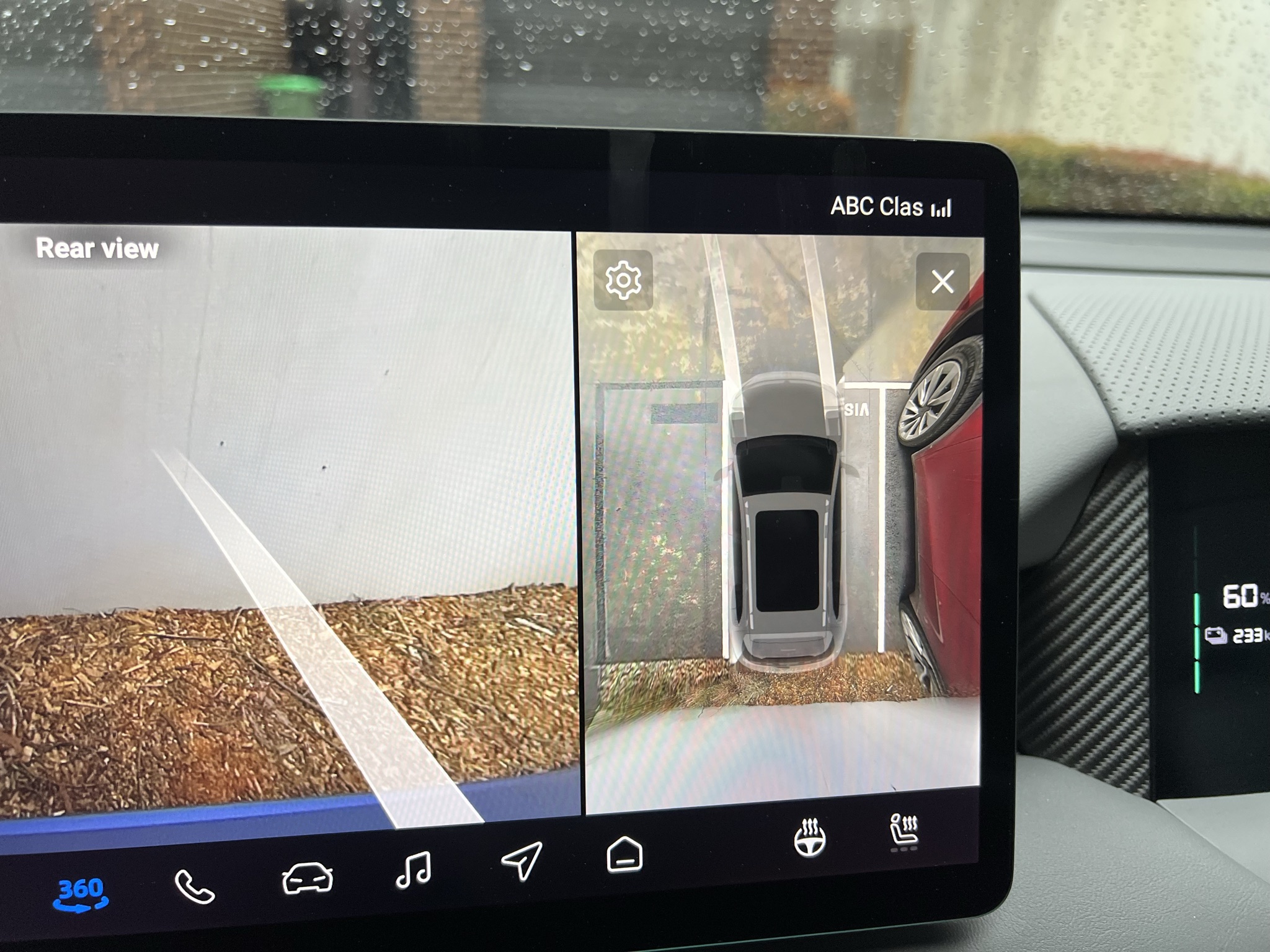
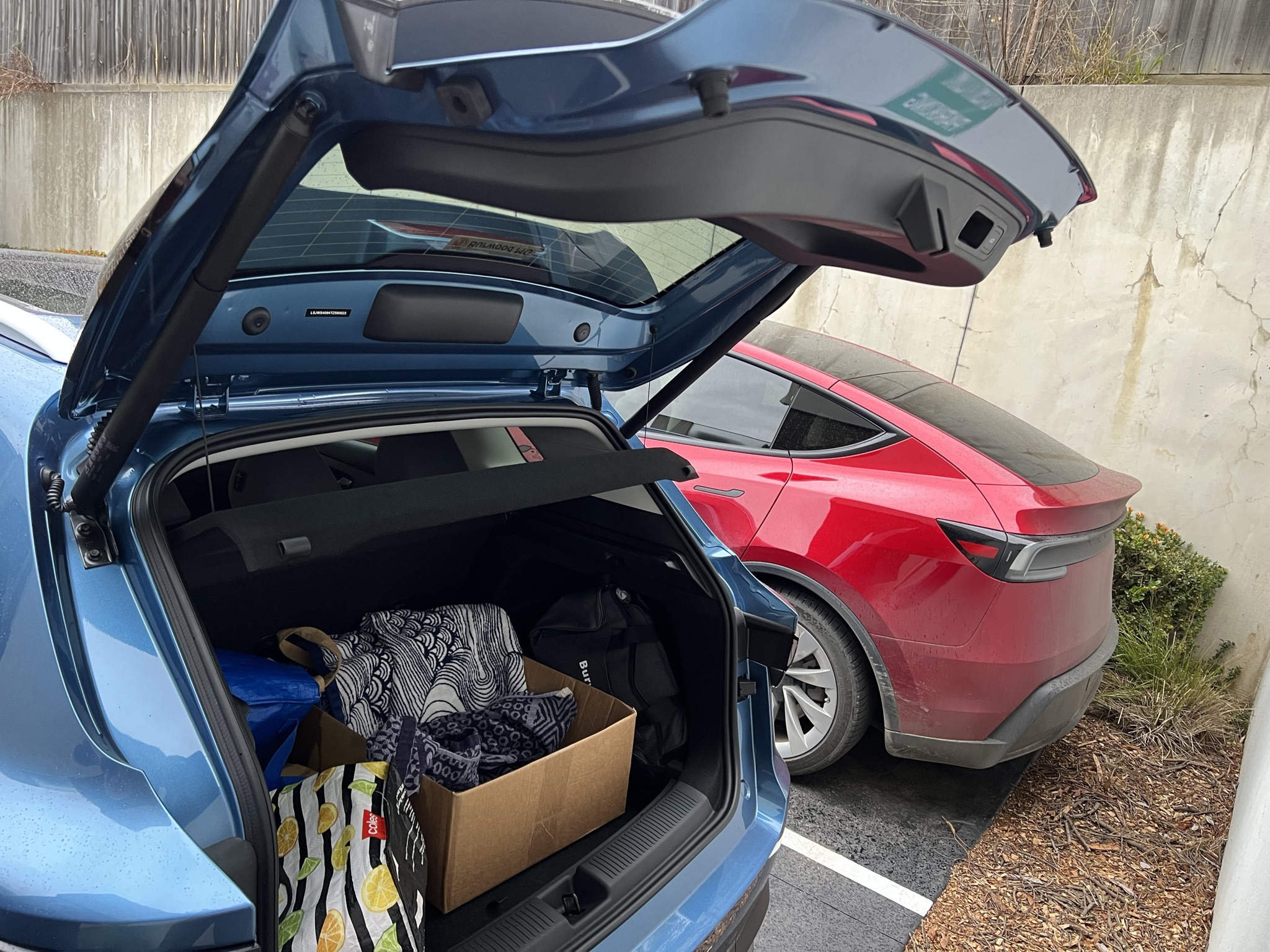
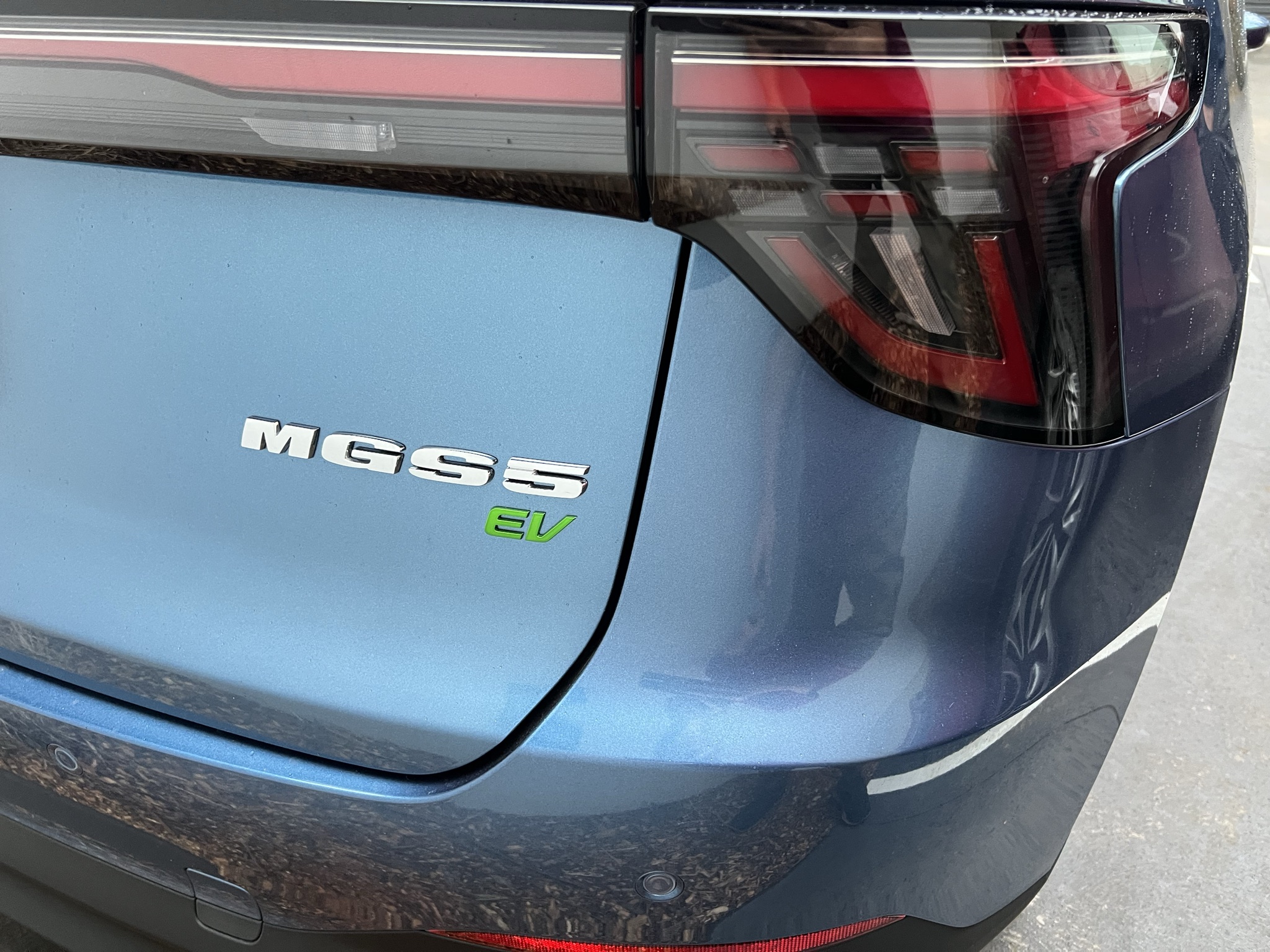
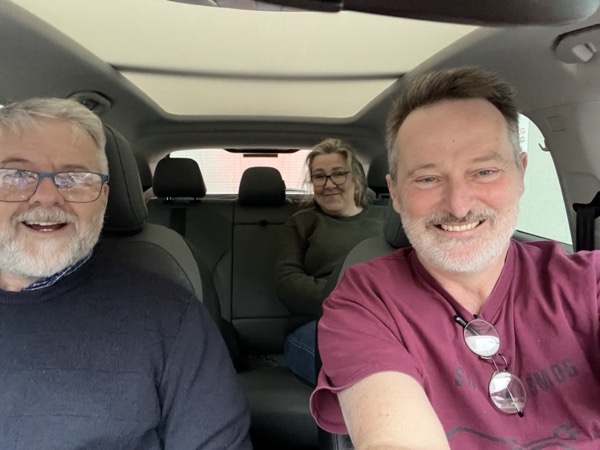
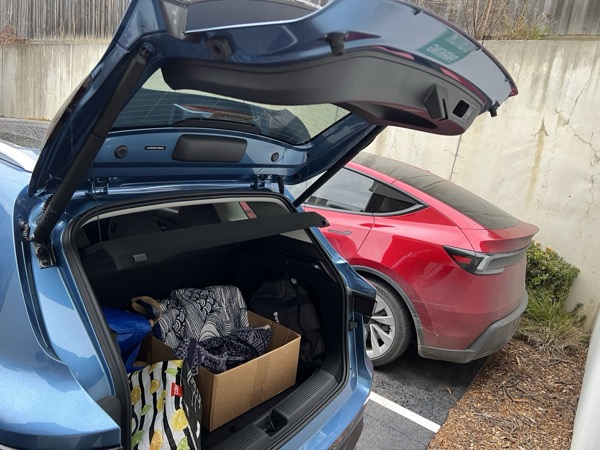
On the way home in their brand-new electric car, John pulled over to the side of the road and sat there a while, waiting for someone to arrive with fuel.
It wasn't for him. He'd come across a friend stranded in a petrol car, run dry, and stopped to keep them company until the jerry can turned up.
Not a bad first afternoon of range anxiety.
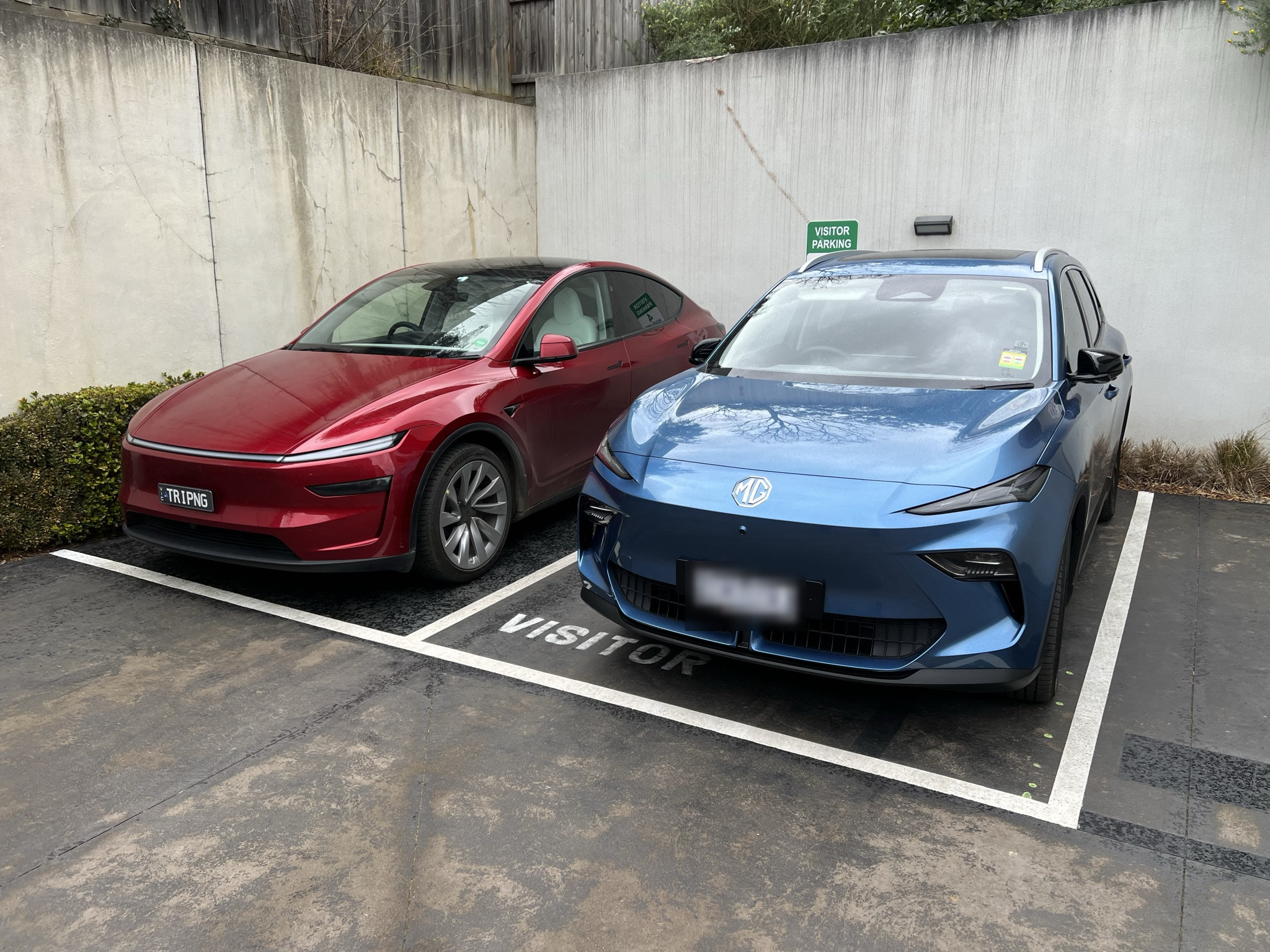
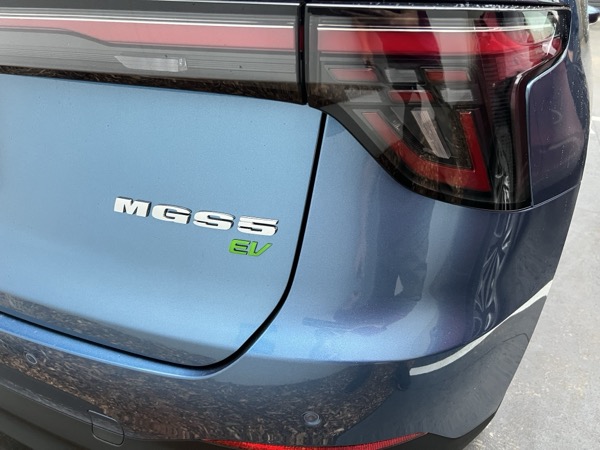
John picked the MGS5 EV up on Thursday, five days after they ordered it — their first EV. He and Anne had long assumed the next car would be electric; putting solar and a battery on the house a few months ago settled it.
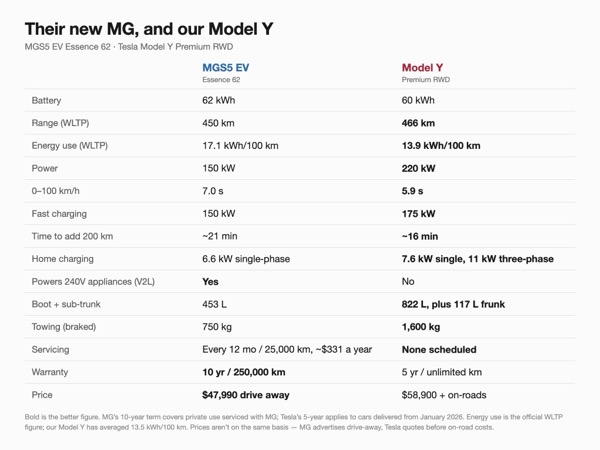
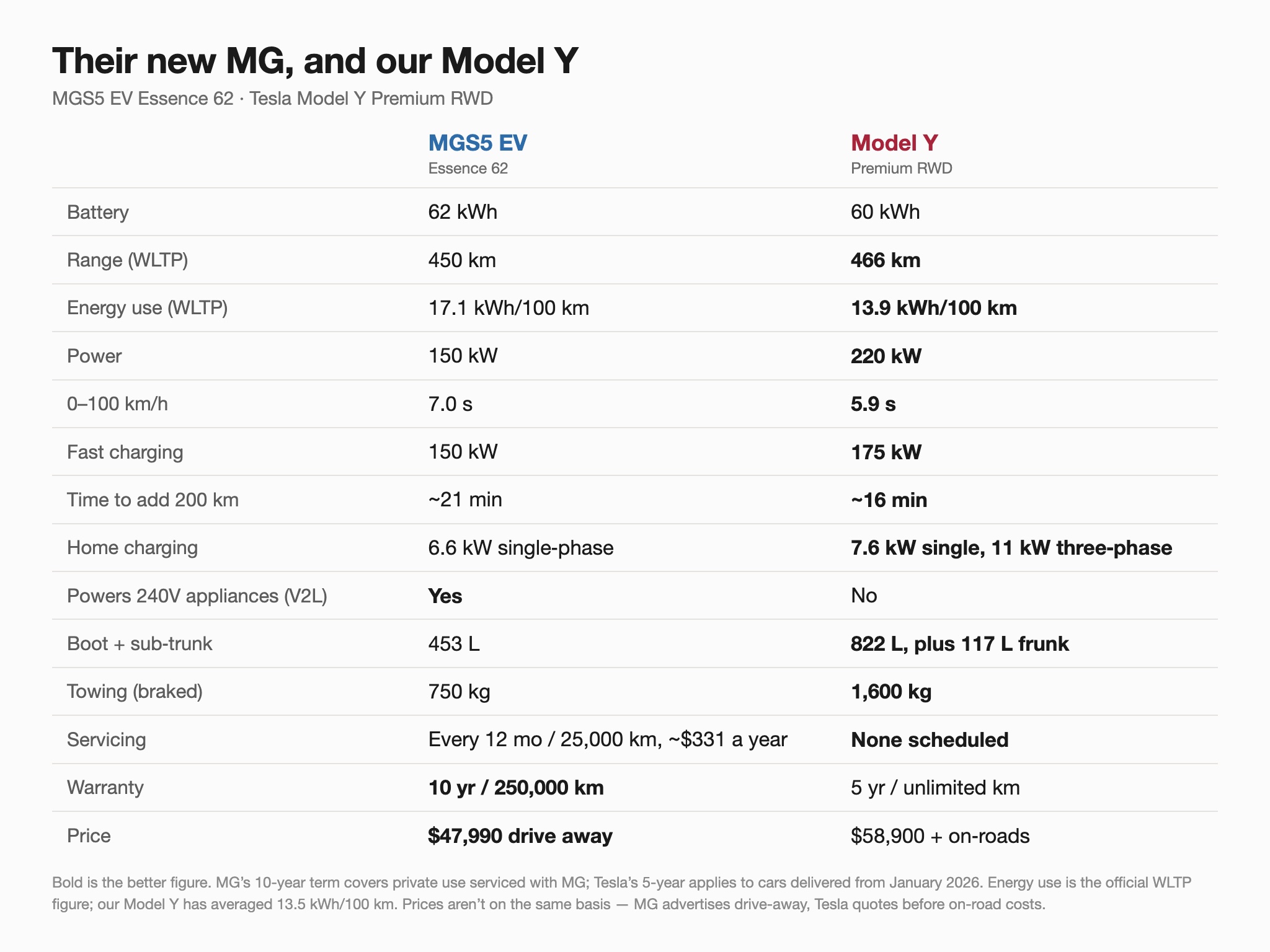
They wanted more room than their Corolla, without going big. They'd ridden in a friend's Model 3, then test drove the Kia EV5 (too big) and the EV3 (too small). The MG sat in the middle. Theirs is the Essence 62: 62 kWh, 450 km WLTP, advertised at $47,990 drive away. The Corolla went in as a trade against it.
I test drove an MG4 with one of our kids three years ago, when it was the cheapest EV in the country at $38,990. The S5 costs ten thousand more and goes 100 km further — but the real change is charging speed: 88 kW then, 150 kW now. Half an hour you get back on a road trip.
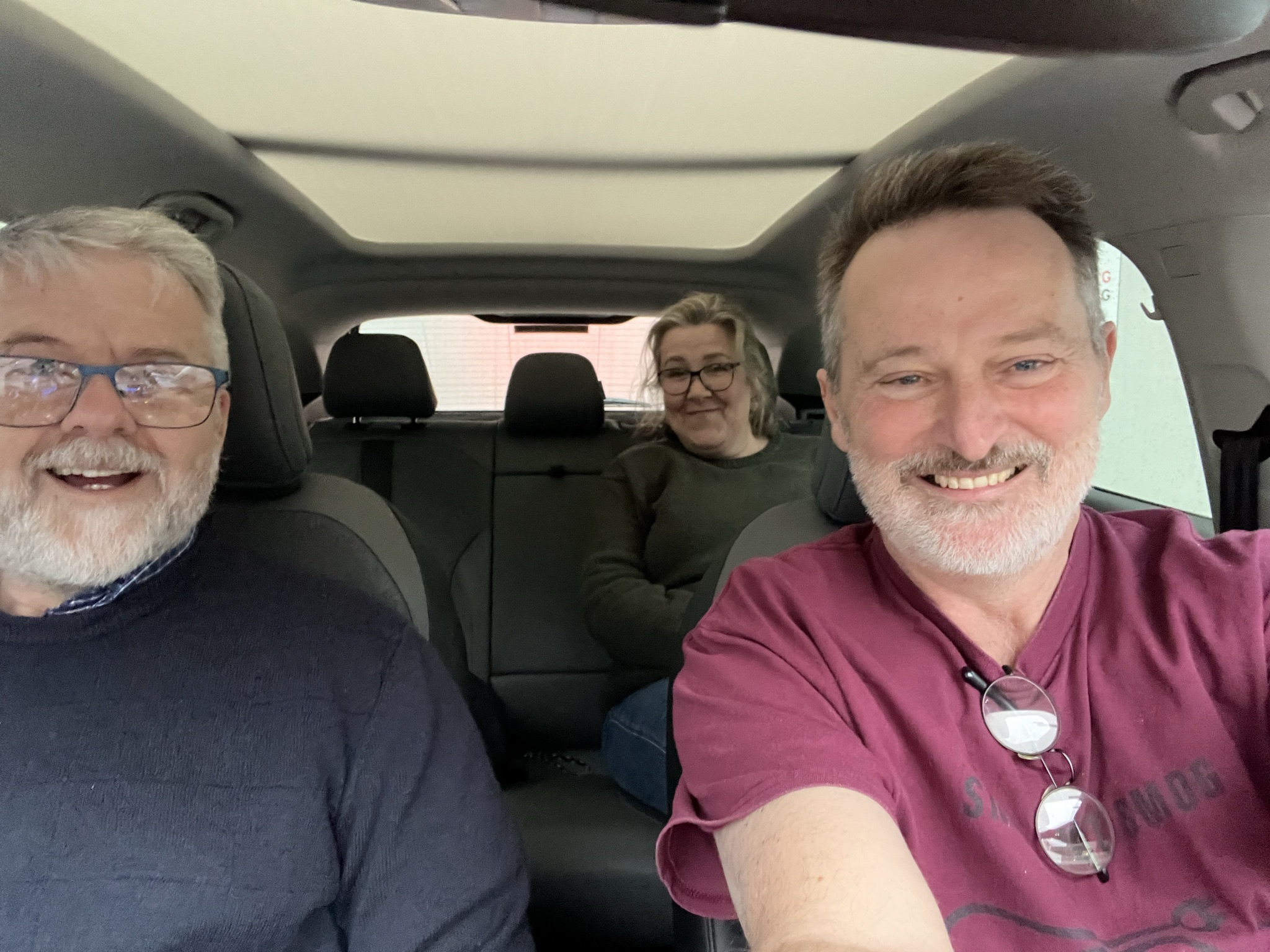
Krissy and Tim have had a ride in it, and reckon the rear seats beat ours — the cushion angle gives more support under your legs. Sitting in it, Francis agrees. Anne’s favourite thing so far is the heated seats.
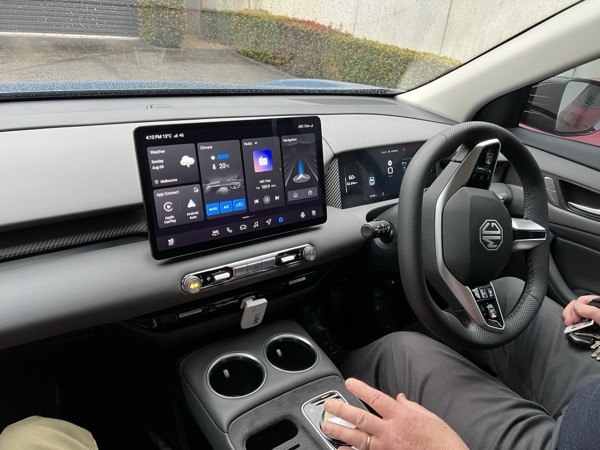
They like that it operates much like the petrol cars they're used to. John hasn't turned on one-pedal driving or strong regen yet, and MG kept physical buttons for the things you reach for most, so the balance with the screen seems well judged. The screen is comprehensive, if a little laggy next to a Tesla's.
Familiar to drive, then — but without the smell, the expense, or the trips to the petrol station. John says petrol cars already feel clunky and noisy.
Charging
They charge from an ordinary power point, with the cable that came with the car. They drive most days, but under the 45 km Australian average, so it keeps up without trying.
Phillip Island and the Grampians each fit inside one charge, Phillip Island there and back. For longer stays they're learning PlugShare — and it's worth asking accommodation whether you can just use a power point, the same as at home.
They might put in a dedicated EV outlet later. So far they haven't struck a reason to need one.
Related Posts
- How to find an EV charger? 6 Aug 2026
- Thinking about an EV? Here's what surprised us 19 Jun 2026
- A test drive of the MG4 27 Aug 2023
- MG S5 and the EV crowd at Melbourne EV AutoShow 28 Jun 2025
Report
Report
Don't mind me, move along 🤣
Report
Report
Report
Report
Report
Report
Report
The warranty is really good though. But annual servicing required 🤮
Report
Yes, great warranty. Servicing seems weird, but I could take it as the cost of longer warranty.
Report
Report
Report
MG would have to change their model.
They still sell ICE.
Report
Report
Report
We drove the fast one at everything electric in Syd, our supervisor had one and raved about it vs his Porsche.
Wife asked if he had driven a 3P to which he said he hadn't driven one and couldn't justify the extra $30k....
When wife got out after her drive (she drives the 3P we own) she said - you should have!
All EVs better than ICE.
Report
Report
Report
Report
Report
Report
Report
Report
Report
Report
Report
In some situations, such as if the car is on auto pilot and needs to stop quickly, or if the battery is too full to take all the deceleration energy, then the car might use the brakes in addition to the regen, but that’s the unusual case.
Report
Report
Report
All auto-braking does is set a user-preferred amount of braking force to be applied upon easing off the accelerator.
Report
Which is what Tesla tripping has
Friction brakes and regen and totally independent systems.
When your foot goes on the brake pedal no changes are made to the regen ability.
Yes BYDs change pedal from regen and more regen to pad use.
That's pretty scary in a yangwang U9 when you are used to a Tesla let me tell you !
In the EV3 mother in law doesn't like one pedal drive mode as 60years in auto cars but I don't mind it.
The car has worse flaws like destroying front tyres and living in traction control this time of year due the rubbish Hankook ion EVO tyres OE fitment.
Anyway 10,000kms on they are almost done so better tyres for it next time.
Report
Tims has a one pedal drive mode and paddles on the steering wheel to increase / decrease regen.
Toyota did it with the CHR BEV we hired in Europe a couple of weeks back - I didn't specifically like or dislike it. The whole car was a disaster vs a Tesla so picking on that specific flop when so many worse flops to worry about....
Report
> the friction brakes are also only engaged when brakes are applied heavily or when the car is almost at rest.
Correct, as I understand it.
> As far as brake pad wear and electricity recouped to the battery go, there is no difference between one pedal mode and just braking with equal force using the brake pedal.
I don't think that's correct, or I'm misunderstanding what you said. With regen (ie "one pedal mode") all of the deceleration is from the motor converting kinetic energy into electrical energy for the battery. There's no brake pedal or pads involved. Using the brake pedal is all brake. Of course, taking your foot off the accelerator and pressing the brake does both (if regen is on).
I think some cars (EV and hybrid) only activate the regen as part of the brake pedal, not on release of the accelerator. But, as far as I know, Telsa and most others activate regen from easing off the accelerator.
From a driver perspective, all this is thankfully mostly just academic. We only have to press the accelerator to go, release it to slow down, and hit the brake to stop quickly.
Report
Report
the Tesla has options for regen too. Problem with hard regen is the car does not roll up to a corner like an ice car will stop early unless you feed a little throttle as you do which I feel as irritating . So I prefer medium regen to keep
It simple .
Report
Report
Report
Report
Report
Report
The driver should set their auto-braking to suit however they like to drive - not to the highest setting, with the delusion that this will increase their energy efficiency.
Personally I turn mine off, as I'm a tightar$e, so I am long of the habit of reading the traffic conditions well ahead of me and adjusting my acceleration and braking to minimize my inputs of either, because brake regen, as you will know, is not 100% efficient.
I live and work in the suburbs, tho, so if I was in a life situation where I did most of my driving in slower traffic conditions, I would probably use a pretty strong auto-braking mode.
Report
Report
My electricity is 2-3c/kWh average so I drive my car like I just robbed a bank
Report
Max regen just means you modulate the regen with go-fast pedal position.
Max recovers more energy everywhere except highway use where coasting down from speed is better than slowing down with regen and then putting power back on.
Old model S does this automatically - if the cruise control is not on it will coast with less regen say 160 down to 120. Don't know if there is a technical reason with the circuitry or charge rate or whatever but it's odd when it doesn't behave the way you expect.
I would argue max regen is the winner.
Report
Report