
Why Tesla Superchargers are so easy

Show 0 more photos Show 1 more photo Hide additional photos
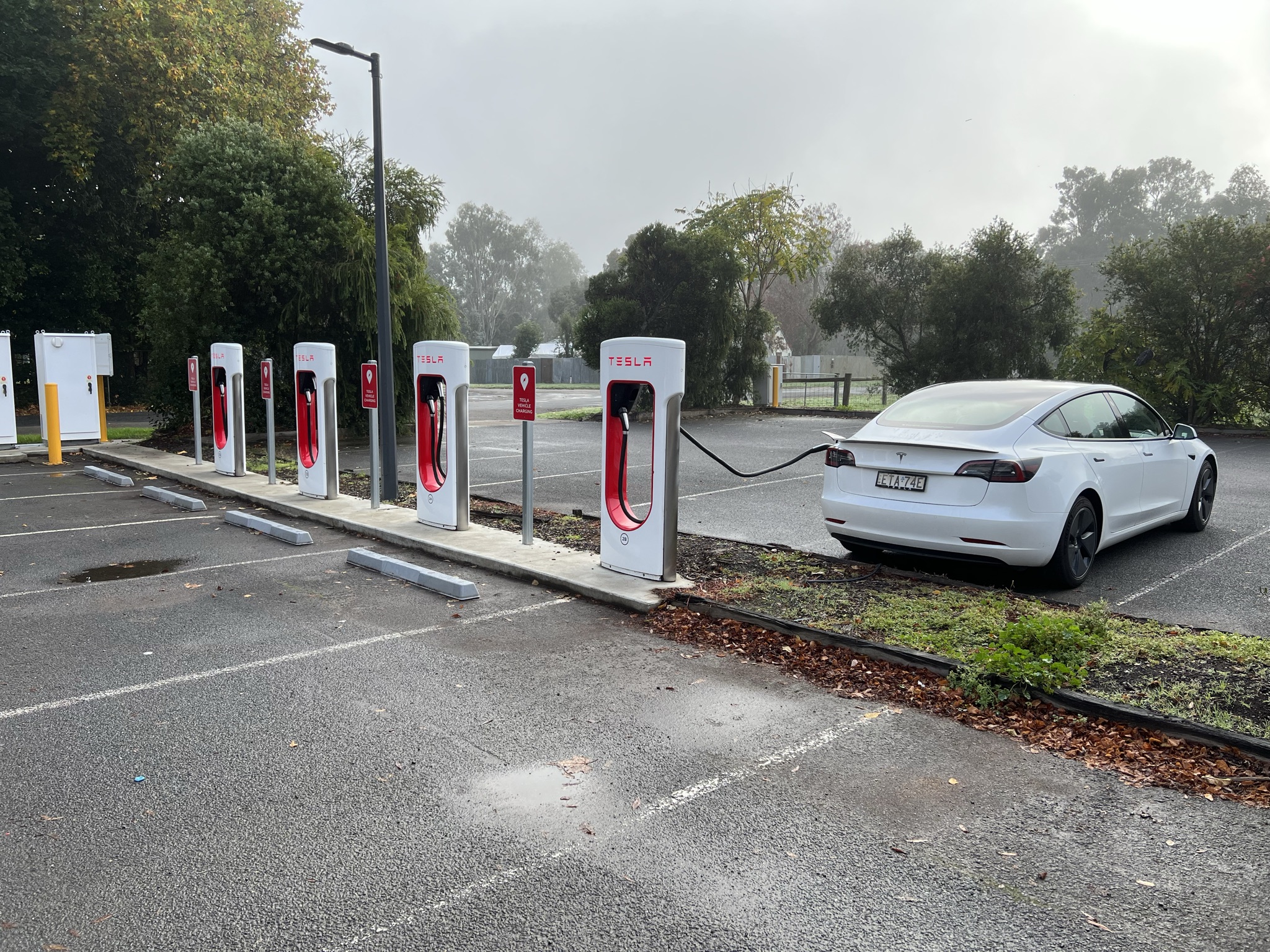

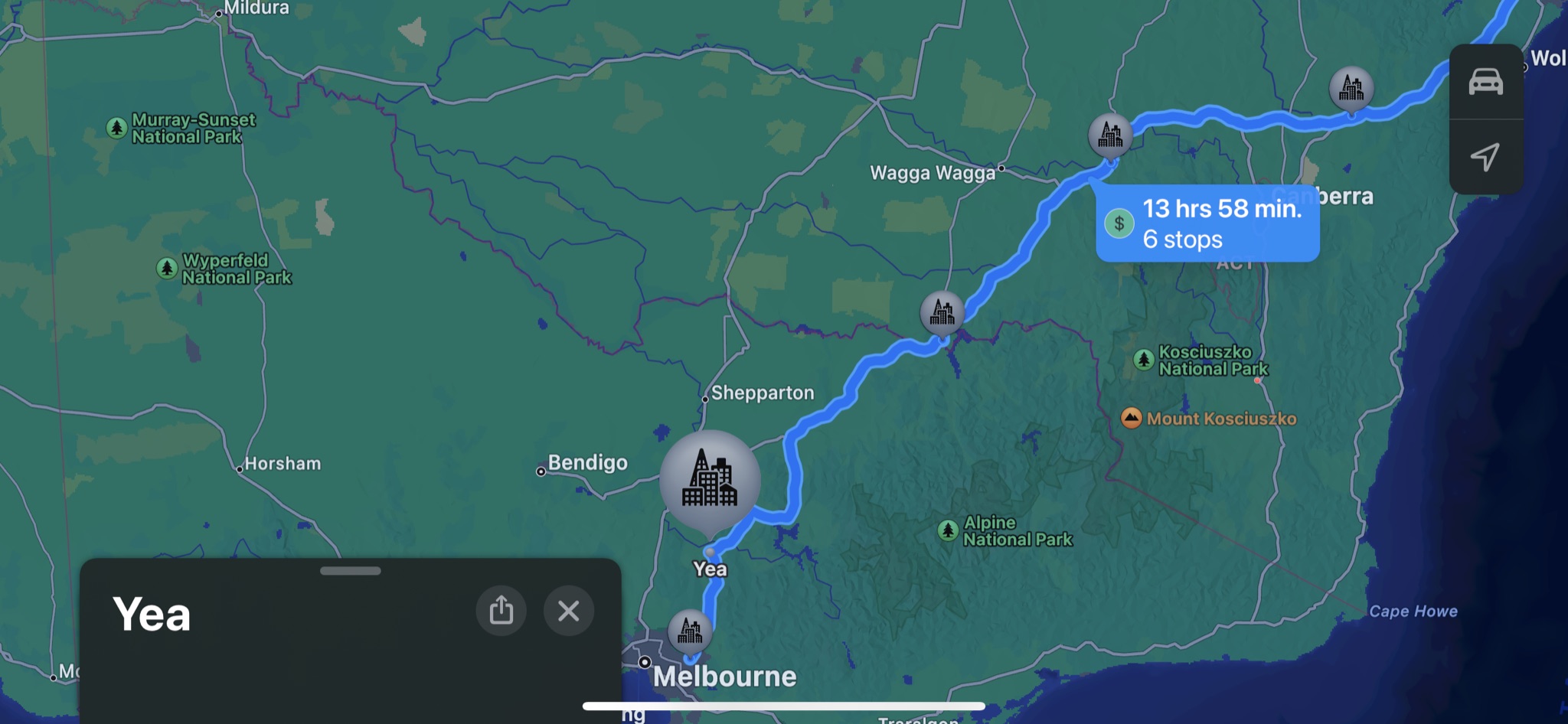
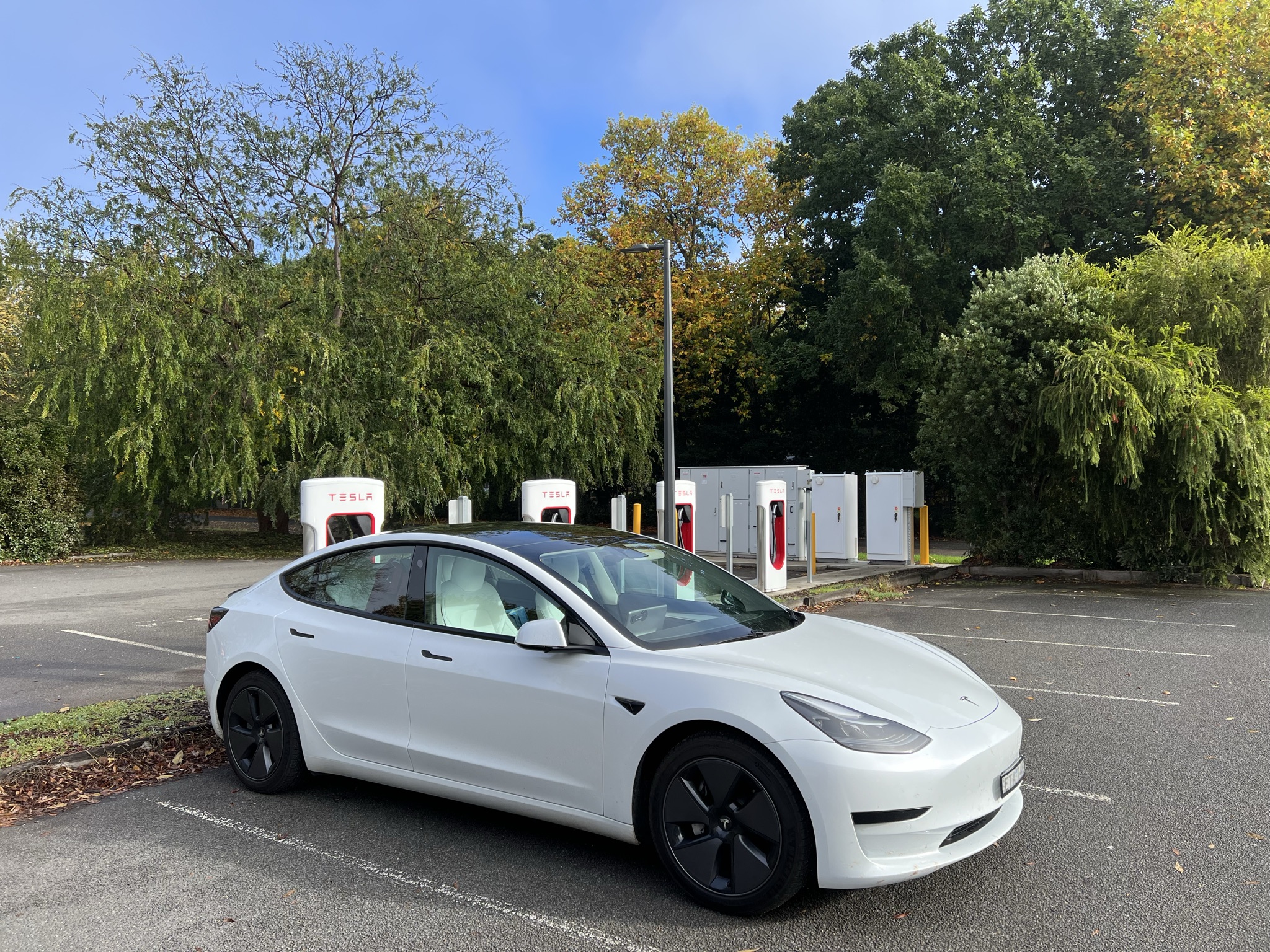
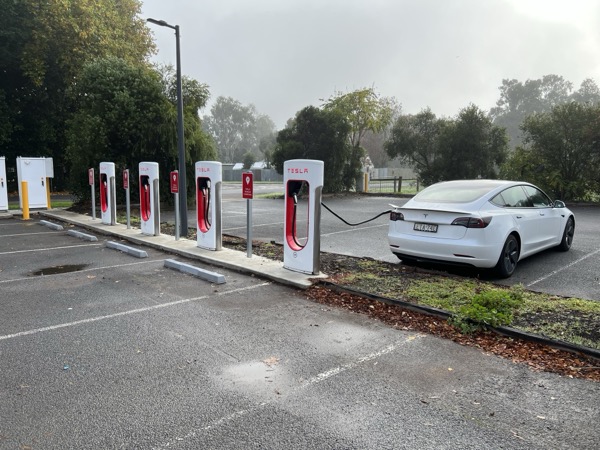
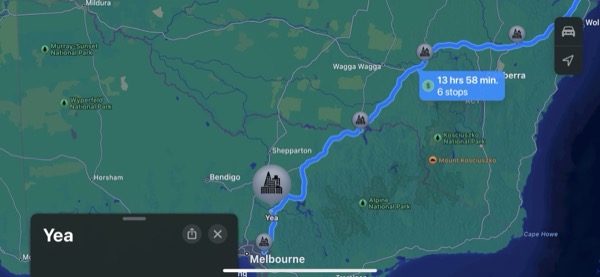
We are constantly impressed by how easy the Tesla Superchargers are to use. We enter our destination into the car’s navigation. The car adds the needed supercharger stops. We arrive, plug it in, walk away to the toilet or cafe. The app tells us that it’s nearly finished charging and we should get back to move the car.
So easy, right?
Well, except, as you might have noticed in these photos, it seems that I can’t manage to actually park on the correct side of the chargers 🤦.
Where possible, we have aimed to instead use other types of chargers, just to familiarise ourselves with them (and to make some content for these posts). But, if you have a Tesla, the superchargers are the simplest and quickest way to go.
Report
Report
Report
Report
Report
Report
You have several options for sourcing that energy, including:
1. Home charging from solar panels, at 5c/kWh (Actually it’s free, but you lose your 5c export to the grid for that energy).
2. Home charging during off peak, at between 7c and 20c per kWh (depends on your electricity plan).
3. Tesla supercharger at 66c per kWh
4. Free chargers such as NRMA, destination chargers, power point at your overnight accommodation.
5. JOLT Charge, free for the first 7kWh, then 46c per kWh.
6. RACV, RACQ, The NRMA paid chargers between 45c and 60c per kWh, minus 20% discount if you’re a member.
7. Evie Networks or other Chargefox paid charger between 45c and 60c per kWh.
It also depends on what charge you want to have remaining at the end of the trip.
For example, I expect that you’d charge up at home to 100% before you leave. Assuming charging from empty that’s 60kWh battery x 5c/kWh (assuming solar) which is $3. Let’s say you stop for toilet or coffee or lunch somewhere on your trip and top up half a “tank”. Let’s choose the most expensive (and reliable) option, the Tesla Supercharger, at 66c per kWh x 30kWh = $19.8.
In that scenario, you will have paid $19.8 for charging plus “lost” $3 in solar export, so costing you $22.80 for the trip. You’ve charged a total of 60 + 30 kWh = 90kWh, but used 82.5kWh, leaving you with 7.5kWh at the end of the trip. 7.5kWh in a 60kWh battery would be 7.5 / 60 = 12%. You could then charge overnight at your destination, depending on your options.
The reality, though, is that you don’t really think about it. You just charge up the night before, enter your destination into the car’s navigation, and it tells you where to stop to charge along the way. If you want to get creative, you can ignore the suggestion and instead find an alternative charging option on PlugShare along the way.
Report
Report
Report
Report
Report
Report
$4 of lost exported solar in the tank on the way out and back for $8 worth of home charging for 800kms
Report
Report